Key Takeaways
- Trocadéro Plaza offers the most iconic panoramic view and is widely recognized as the best spot for Eiffel Tower photo at night, with optimal shooting times between 10-11 PM
- The Eiffel Tower sparkles for five minutes every hour on the hour after sunset until 1 AM, requiring precise timing and preparation
- Hidden gems like Avenue de Camoëns and Rue de Buenos Aires provide stunning perspectives with significantly fewer crowds than popular locations
- Night photography demands proper equipment including tripods, awareness of safety concerns like pickpockets, and respect for residential neighborhoods
Capturing the Eiffel Tower as it transforms into a beacon of shimmering lights represents one of photography’s most coveted moments in Paris. The iron lattice structure, illuminated against the night sky and punctuated by thousands of sparkling bulbs, creates an unforgettable spectacle that draws photographers from around the globe. However, finding the ideal vantage point requires more than simply showing up with a camera.
Most photography guides simply list obvious locations without addressing the practical challenges of nighttime shooting in Paris, crowded viewpoints, safety considerations, optimal timing for the light show, and the technical demands of low-light photography. The reality is that securing pictures in front of Eiffel Tower at night demands strategic planning, local knowledge, and an understanding of how Paris’s neighborhoods transform after dark.
This comprehensive guide reveals the best locations for capturing the Eiffel Tower’s nighttime magnificence, complete with insider timing advice, safety protocols, equipment recommendations, and respectful photography practices. From the sweeping vistas of Trocadéro to charming residential streets that frame the tower between Haussmannian buildings, these carefully selected spots will elevate your Paris night photography to professional levels.
Why Photograph the Eiffel Tower at Night?
The Magic of the Tower’s Sparkle
The Eiffel Tower’s illumination system creates a distinctive golden glow each evening, but the true spectacle occurs during the sparkle sequence. For five minutes at the start of every hour after dusk until 1 AM, 20, 000 flashbulbs create a dazzling light show that transforms the 330-meter structure into a shimmering jewel. This carefully choreographed display, visible from miles away, represents one of Paris’s most photographed moments.
The sparkle effect provides photographers with dramatic opportunities unavailable during daylight hours. The contrast between the warm golden base lighting and the rapid-fire sparkle creates dynamic visual interest, while the darkened sky eliminates the visual clutter that often complicates daytime compositions. Additionally, strategic timing can yield surprisingly uncrowded conditions at certain locations, particularly during the later sparkle sequences between 10 PM and midnight.
Photography Challenges and Opportunities
Nighttime Eiffel Tower photography presents distinct technical challenges that separate casual snapshots from professional-quality images. Low light conditions demand longer exposure times, making camera stabilization essential to avoid motion blur. The extreme brightness of the illuminated tower against a dark sky creates exposure challenges requiring careful metering and potentially bracketed shots or HDR techniques.
However, these challenges come with significant advantages. The dramatic lighting creates natural separation between the tower and its surroundings, eliminating the need for complex editing. Crowds thin considerably during evening hours, especially at locations away from immediate tourist centers. The reflective surfaces of the Seine and wet Parisian streets after rain can add captivating reflections to compositions, while the surrounding city lights provide contextual ambiance that grounds the tower within its urban environment.
Trocadéro Plaza and Jardins: The Classic Panoramic View
Best Photo Spots within Trocadéro
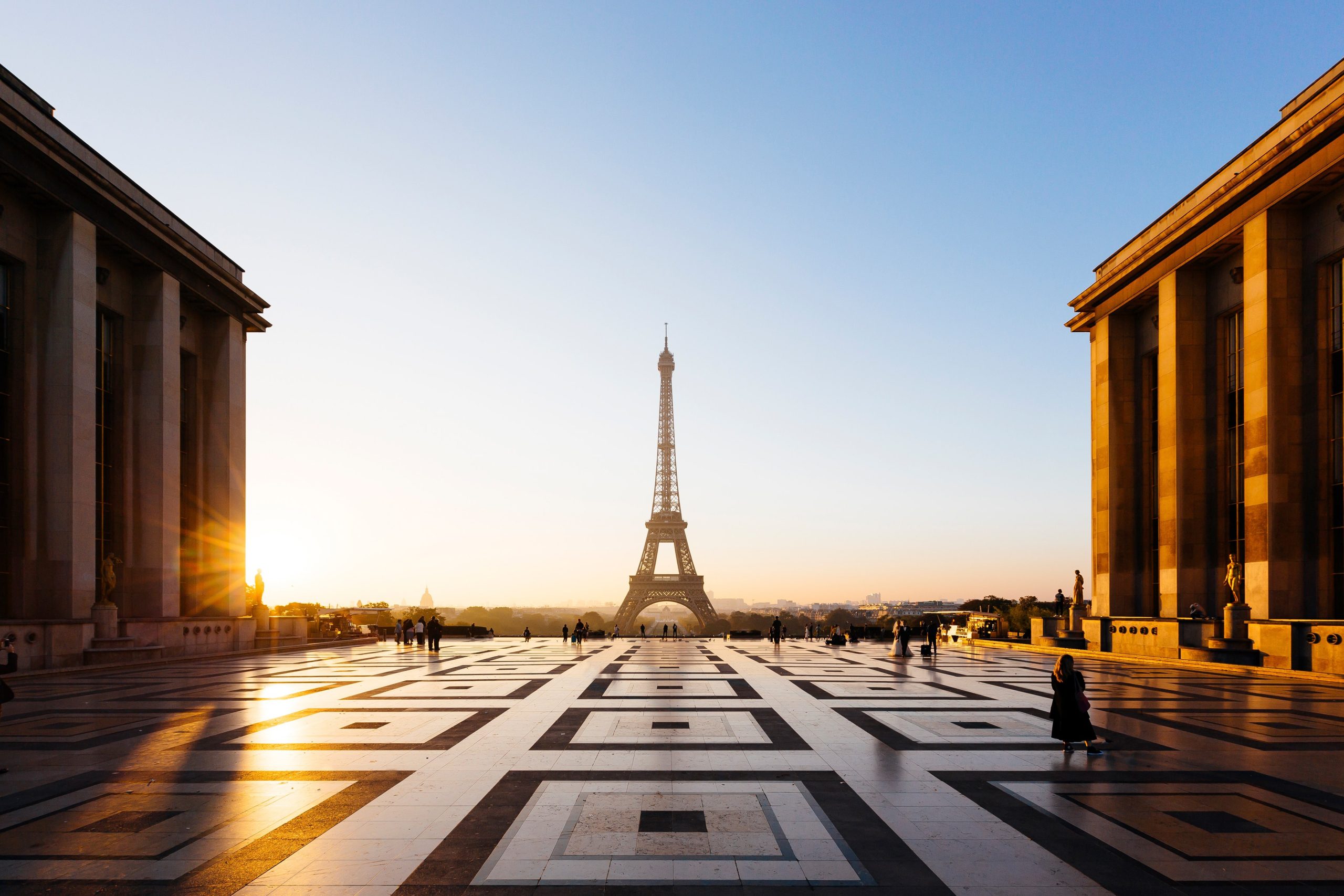
Trocadéro is the best Eiffel Tower photo spot for nighttime photography, offering unobstructed panoramic views across the Seine directly toward the illuminated monument. The elevated position provides photographers with a commanding perspective that captures the tower’s full height while incorporating the Jardins du Trocadéro and Pont d’Iéna in the foreground. This classic composition has defined Eiffel Tower photography for decades.
The main plaza at the top of the stairs delivers the most recognized vantage point, though recent renovations have restricted access to certain wall surfaces previously used for posed shots. The side staircases flanking the central cascade offer quieter alternatives with equally compelling views, typically experiencing significantly less congestion than the main viewing area. These lateral positions also provide slight angular variations that can distinguish your compositions from standard tourist photographs.
The gardens descending toward the Seine present creative opportunities for photographers seeking unique perspectives. During spring months, flowering beds and manicured landscaping add colorful foreground elements that frame the tower naturally. The lower elevations also allow for more intimate compositions that emphasize the tower’s architectural details rather than simply documenting its presence in the Parisian skyline.
Timing Your Visit for the Sparkle
Evening hours between 10 and 11 PM represent the optimal window for Trocadéro photography, balancing reduced crowd density with reliable sparkle timing. The plaza remains accessible and reasonably populated during these hours, providing ambient safety while avoiding the dense throngs present during earlier evening hours. Arriving 10-15 minutes before the hour allows time to establish position, adjust camera settings, and prepare for the five-minute sparkle sequence.
Photographers seeking the quietest conditions should consider the final sparkle at midnight or the penultimate sequence at 11 PM. These later shows attract predominantly serious photographers and couples rather than large tour groups, though safety awareness becomes more critical as crowds thin. The trade-off between solitude and security requires personal judgment based on comfort levels and group size.
Safety and Local Vibes
Trocadéro’s popularity unfortunately attracts pickpockets and scam operators, particularly during evening hours when darkness provides cover for illicit activity. Photographers should maintain constant awareness of their surroundings, secure camera bags with cross-body straps, and avoid displaying excessive amounts of expensive equipment simultaneously. The “cup and ball” games visible around the plaza are tourist-targeting scams that should be avoided entirely.
The side staircases and garden areas tend to offer improved security compared to the congested main plaza, as the more dispersed crowds make coordinated theft more difficult. Traveling in pairs or small groups provides additional security, while remaining alert and purposeful in movements signals awareness that deters opportunistic criminals. Despite these concerns, Trocadéro remains generally safe for visitors exercising reasonable precautions.
Rue de l’Université: The Parisian Street Perspective
Capturing the Tower Framed By Haussmannian Charm
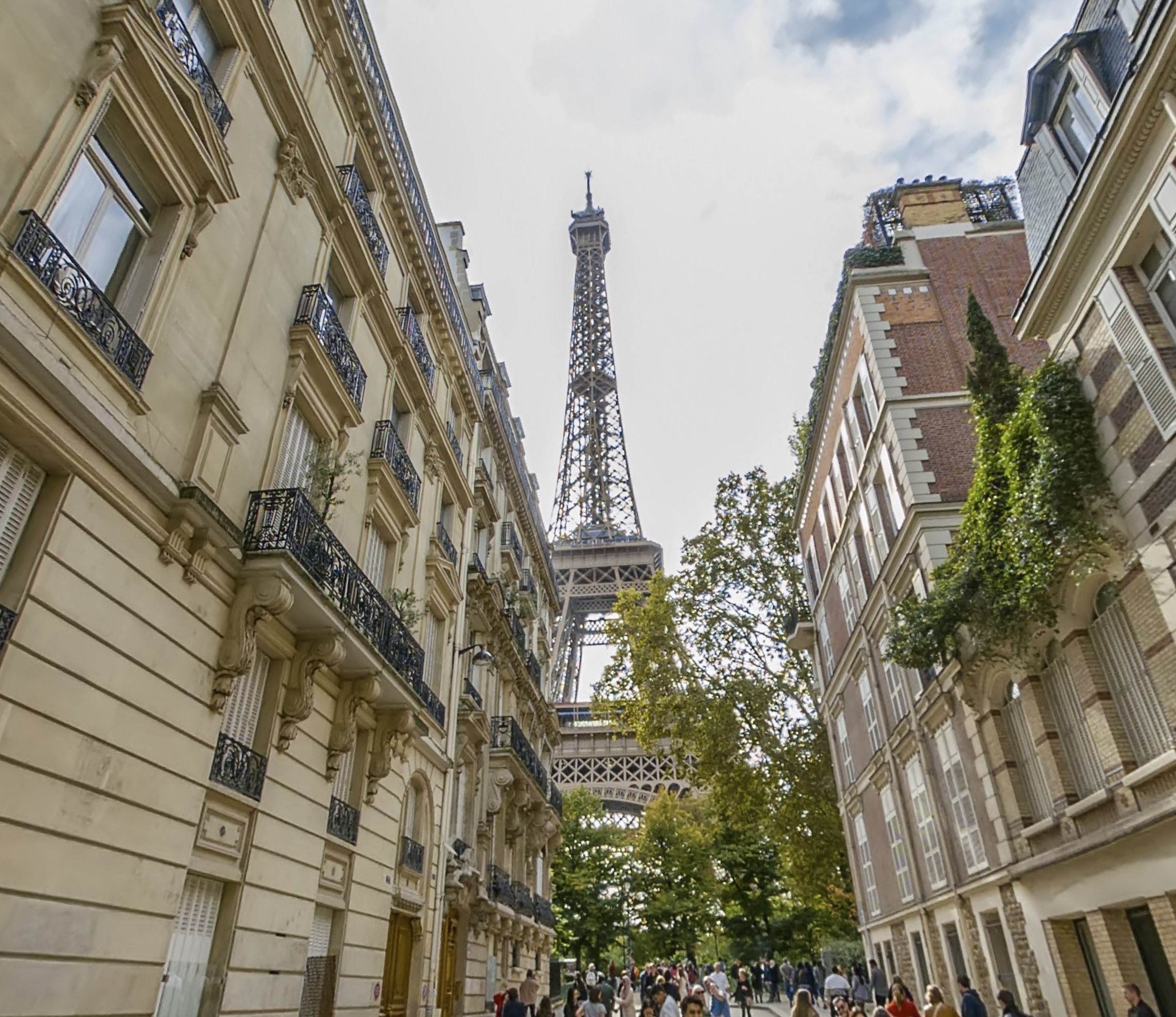
Rue de l’Université has emerged as one of Paris’s most photographed streets, offering a perfectly centered view of the Eiffel Tower framed between classic Haussmannian buildings. This picturesque composition captures quintessential Parisian architecture in the foreground while positioning the tower as a dramatic focal point at the street’s terminus. The symmetry and depth created by the converging building lines produce images that epitomize romantic Paris imagery.
The best street for Eiffel Tower photo during nighttime hours transforms as streetlights illuminate the building facades and the tower glows in the background. The warm artificial lighting creates a cohesive color palette that unifies the composition, while the darker sky provides dramatic contrast. This location particularly excels during blue hour, the period just after sunset when ambient light remains but artificial lighting becomes prominent, creating a balanced exposure between foreground and background elements.
Photographers should note that this remains a residential street, requiring respectful behavior and noise management, especially during late evening hours. The narrow roadway limits space for photography equipment, and vehicles occasionally pass through, necessitating awareness and quick repositioning. Despite these constraints, the location’s unique perspective justifies its popularity among both amateur and professional photographers.
Timing and Considerations for Night Photography
Early evening hours around 8-9 PM provide the best balance of available light and tower illumination, though crowds peak during these times. Photographers willing to shoot later, between 10 PM and midnight, often find the street substantially quieter, though this requires acceptance of deeper shadows in the foreground buildings. The sparkle sequence adds dramatic interest but may create exposure challenges due to the rapidly changing light intensity.
Access via the Alma-Marceau metro station (Line 9) or RER C to Pont de l’Alma provides convenient arrival points within a short walk of Rue de l’Université. The location also connects easily with other nearby spots, making it an efficient addition to a comprehensive photography tour of Paris’s best locations. Photographers should plan for 20-30 minutes at this location to accommodate waiting for pedestrians and vehicles to clear the frame.
Avenue de Camoëns and Rue de Buenos Aires: Hidden Local Gems
Finding Lesser-Known Angles
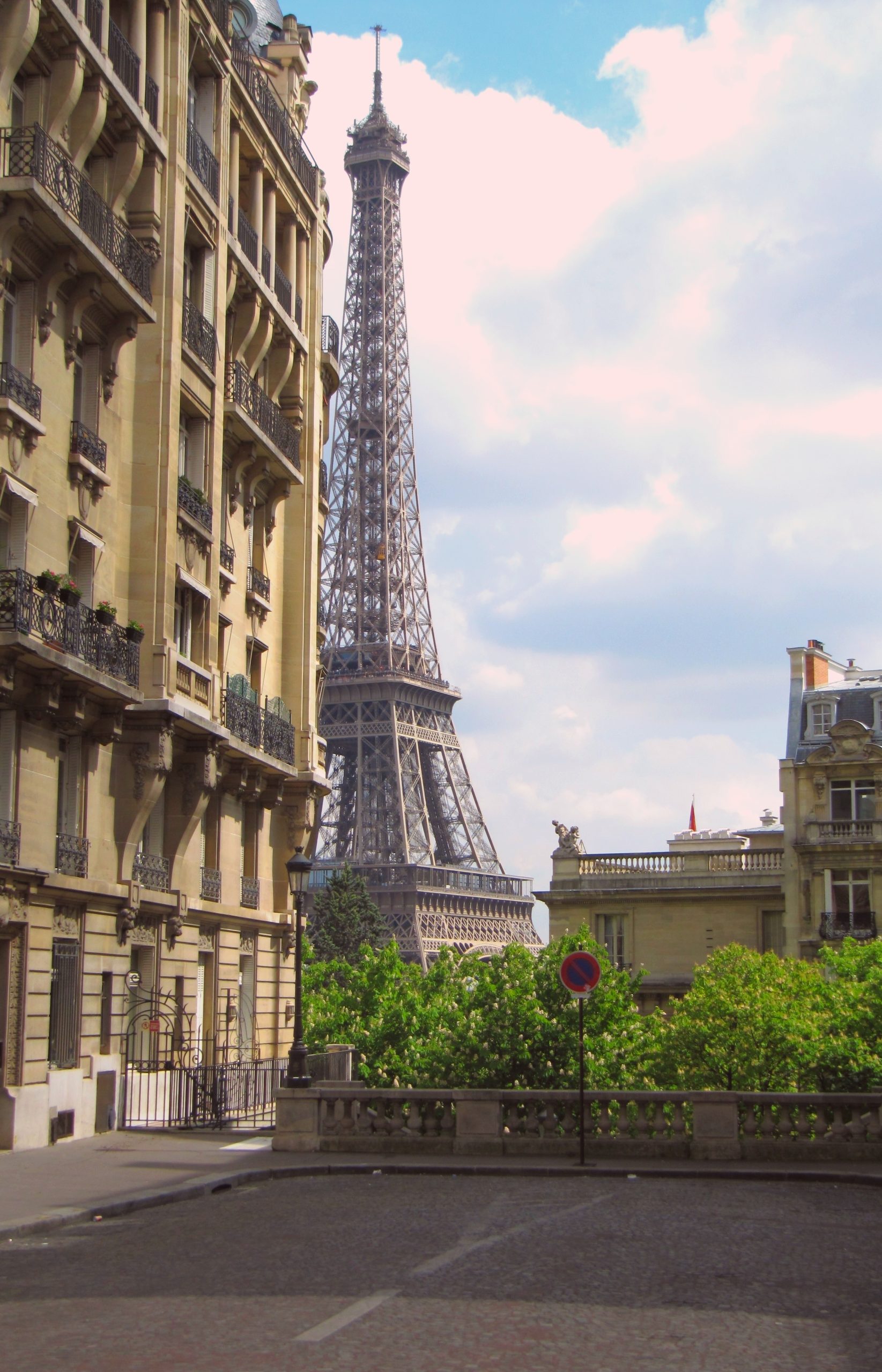
Avenue de Camoëns presents a sophisticated alternative to crowded mainstream viewpoints, featuring elegant stone balustrades and descending staircases that frame the Eiffel Tower with architectural grace. This location captures the tower rising beyond neoclassical Parisian elements, creating layered compositions that emphasize the city’s architectural heritage. The elevated position provides clear sightlines while the surrounding residential character keeps tourist crowds minimal.
The staircase descending from Avenue de Camoëns allows photographers to adjust elevation and perspective, creating varied compositions from a single location. These vertical options enable experimentation with different focal lengths and framing techniques without relocating equipment. The surrounding streetlights provide consistent illumination for foreground elements, while the residential setting ensures a peaceful shooting environment conducive to longer exposure work.
Rue de Buenos Aires serves as an excellent backup location when primary spots become overcrowded, offering similar perspectives with even fewer visitors. This quiet residential street provides authentic Parisian atmosphere without sacrificing tower visibility. The angle captures the tower emerging above traditional apartment buildings, creating compositions that convey local context rather than pure tourist perspectives. For photographers seeking to avoid the standard Instagram angles while maintaining high-quality tower views, this location delivers exceptional value.
Quiet Nighttime Shoots among Locals
Both locations experience minimal foot traffic during evening hours, making them ideal for photographers requiring time to perfect technical settings and compositions. The residential character demands considerate behavior, minimizing loud conversations, avoiding disruptive lighting, and being mindful of residents’ privacy. These courtesies ensure continued access to these valuable locations and maintain positive relationships between photographers and local communities.
Metro access via Trocadéro (Lines 6 and 9) or Boissière (Line 6) places both locations within easy walking distance of major transportation networks. The proximity to multiple spots enables efficient route planning for photographers aiming to capture various perspectives during a single evening. Combined with other nearby locations, these streets form part of an excellent circuit for those interested in exploring diverse Eiffel Tower photography spots.
Pont d’Iéna and Champ de Mars: Iconic Parisian Landmarks at Night
Shooting the Tower from the Bridge
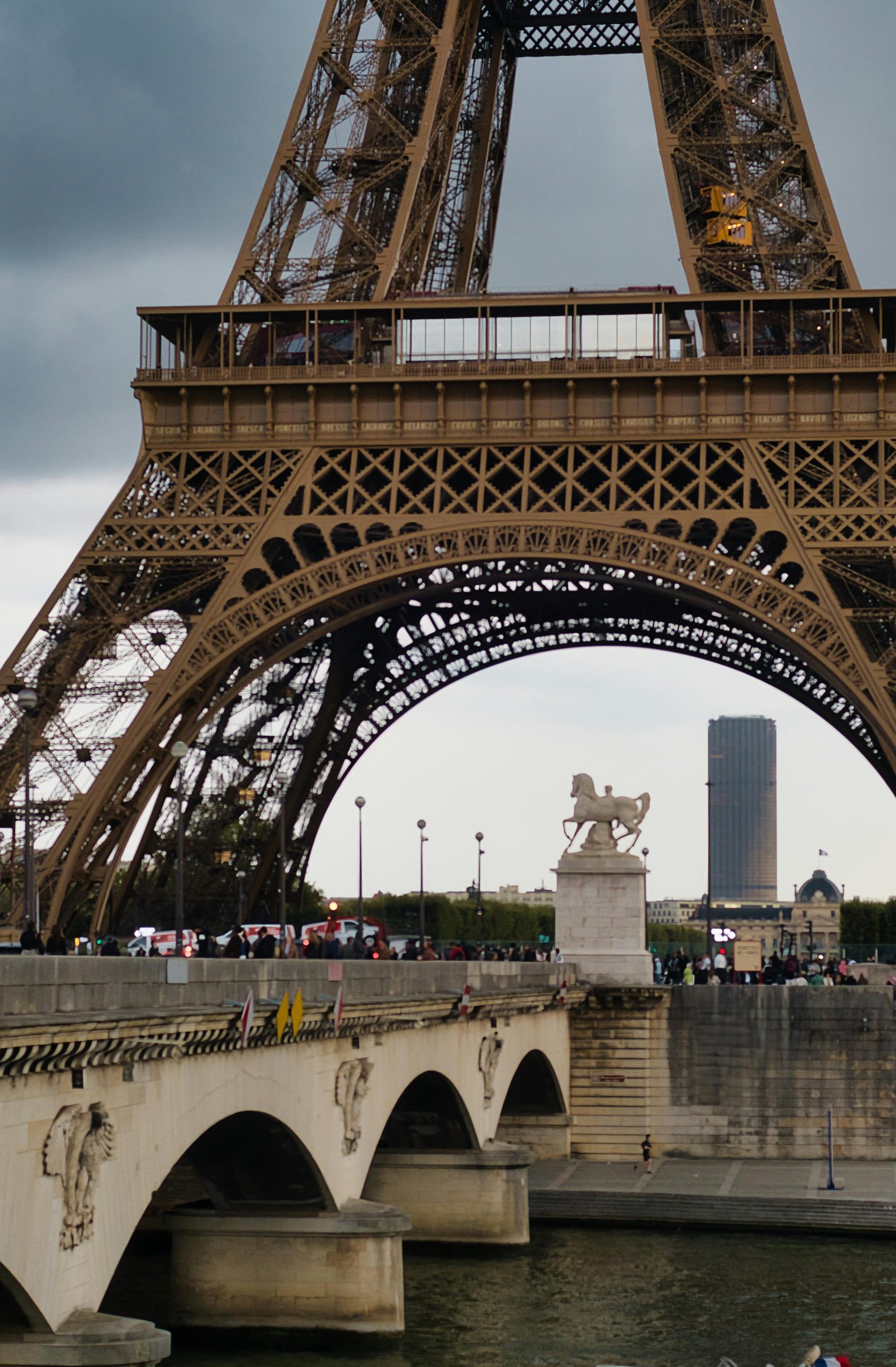
Pont d’Iéna connects Trocadéro with the Eiffel Tower across the Seine, providing dramatic close-range perspectives impossible from more distant viewpoints. The bridge’s position directly below the tower creates powerful upward angles that emphasize the structure’s monumental scale and intricate lattice work. During sparkle sequences, the proximity intensifies the visual impact as thousands of lights flash overhead in mesmerizing patterns.
Photographers can position themselves in the center of the bridge for symmetrical compositions or work from the sidewalks for angled perspectives incorporating the Seine’s reflections. Evening shooting on the bridge requires tripod stabilization due to pedestrian vibrations and wind exposure, which can compromise sharpness during longer exposures. Safety awareness remains essential as traffic continues throughout the evening, and attention must be divided between composition and situational awareness.
The Seine’s reflective surface adds dimensional interest to bridge compositions, particularly during calm weather when the tower’s illumination mirrors across the water. These reflections double the visual impact while creating a sense of depth that elevates images beyond simple documentation. Post-sunset blue hour provides optimal conditions for balancing sky, water, and architectural lighting in a single exposure.
Capturing the Tower’s Glow from the Park
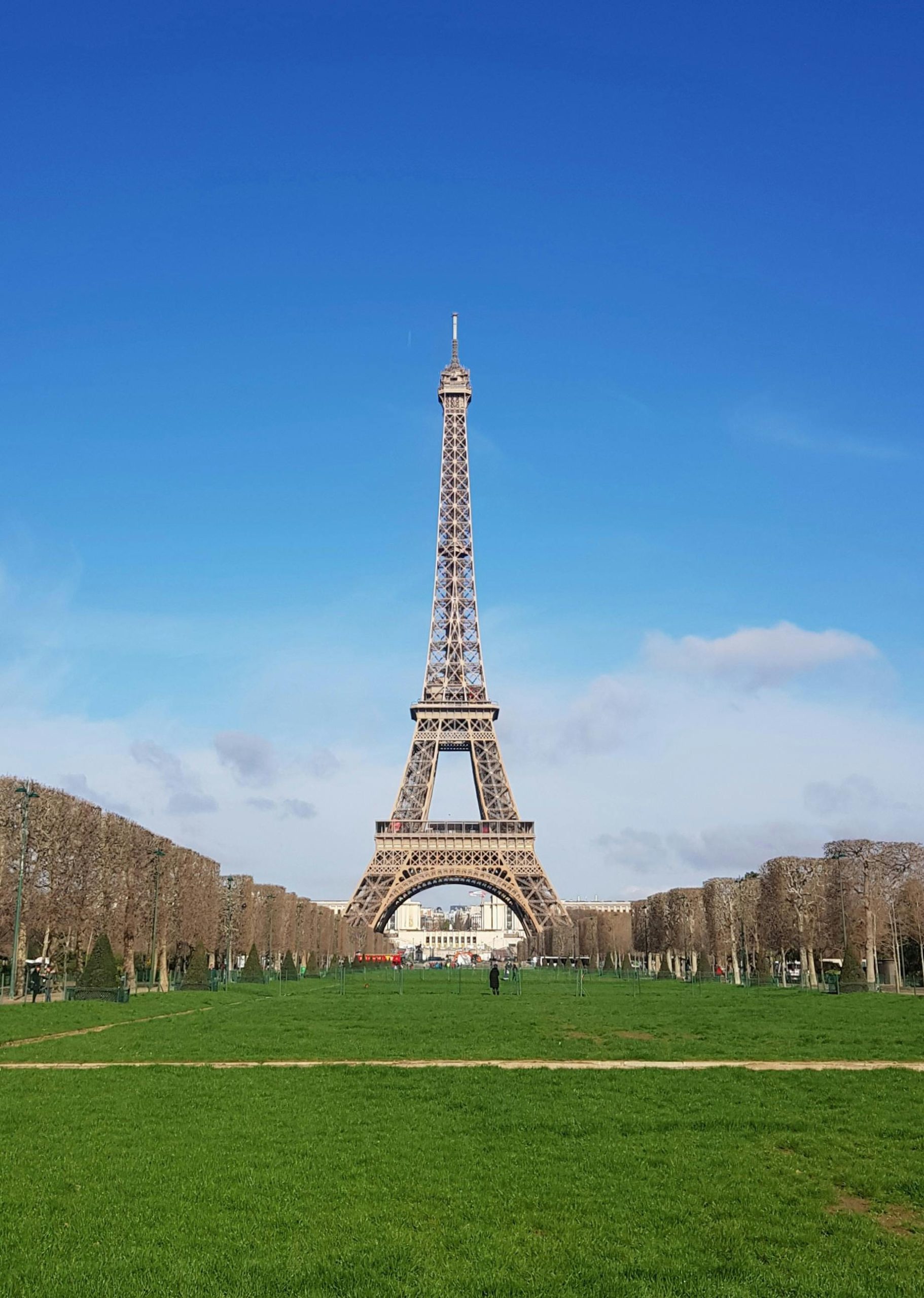
Champ de Mars extends from the tower’s base toward École Militaire, offering expansive lawn areas and tree-lined pathways that provide varied shooting positions. The park’s open layout enables photographers to adjust distance and angle extensively, accommodating everything from extreme wide-angle environmental shots to compressed telephoto compositions that isolate the tower against the night sky. This flexibility makes the location valuable for photographers seeking diverse perspectives without constant relocation.
Seasonal variations significantly affect shooting conditions at Champ de Mars. During summer months, open lawns provide unobstructed access for positioning tripods and establishing shots across the grass. Winter visits may encounter protective fencing around lawn areas to prevent damage during wet periods, restricting photographers to paved pathways. These pathways still offer excellent views but limit compositional options compared to open field access.
The park’s central pathway creates a classic composition aligning the tower with symmetrical tree lines extending toward the foreground. This arrangement works particularly well during evening hours when pathway lighting illuminates the trees from below, adding visual interest to what might otherwise be shadowy foreground elements. The perspective also captures surrounding Parisian architecture, grounding the tower within its broader urban context rather than isolating it as a singular subject.
Essential Tips for Stunning Eiffel Tower Night Photography
Equipment for Low Light Success
Tripod stabilization represents the single most important equipment consideration for nighttime Eiffel Tower photography. Exposure times ranging from 1-4 seconds become necessary in low light conditions, making handholding impractical for sharp results. Carbon fiber tripods offer excellent stability while remaining lightweight enough for extended walking tours between multiple locations. Ball heads provide quick adjustment capabilities essential for capturing fleeting sparkle sequences.
Fast lenses with maximum apertures of f/2.8 or wider enable lower ISO settings that minimize digital noise in final images. Wide-angle lenses in the 16-35mm range capture the tower’s full height along with environmental context, while 50-85mm lenses excel at isolating architectural details or creating intimate portraits with tower backgrounds. Remote shutter releases or smartphone triggering apps eliminate camera shake from pressing the shutter button, particularly during exposures exceeding one second.
Spare batteries prove essential during winter months when cold temperatures rapidly deplete charge capacity. Memory cards with fast write speeds prevent buffer delays between shots, crucial when capturing multiple frames during five-minute sparkle windows. A headlamp with red light mode enables equipment adjustments without destroying night-adapted vision or disturbing other photographers nearby.