Key Takeaways
- The best times for capturing stunning Eiffel Tower photos are during sunrise and late evening, when the soft natural light enhances the tower’s beauty.
- Place du Trocadéro is one of the most iconic spots for Eiffel Tower photography, offering breathtaking views, especially during sunrise.
- A tripod is essential for nighttime shots to stabilize the camera and capture the tower’s twinkling lights effectively.
- Exploring lesser-known spots like Avenue de Camoens and Rue de l’Université can provide unique and intimate perspectives on the Eiffel Tower.
Capturing the essence of Paris through the lens of your camera begins with the iconic Eiffel Tower, and finding the best photo spots is key to making your Parisian adventure truly memorable. With so many angles and spots to choose from, it can be overwhelming to decide where to start your photography journey. In this guide, we’ll explore the top Eiffel Tower photo locations, providing you with insider tips and expert advice to ensure your photos stand out.
Photography in Paris is a journey through time, with the Eiffel Tower being the most recognizable landmark. The tower’s iron latticework and majestic height make it a photographer’s dream subject. Whether you’re a professional or an amateur, understanding the best times and techniques for capturing the Eiffel Tower’s beauty is crucial.
As you plan your photography adventure, consider the rich history and cultural significance of the Eiffel Tower. Built for the 1889 World’s Fair, it has become a symbol of Paris and France, attracting millions of visitors each year. With its grandeur and romantic backdrop, the Eiffel Tower is a must-visit destination for any photographer.
Understanding Eiffel Tower Photography
Understanding the Best Times for Photography
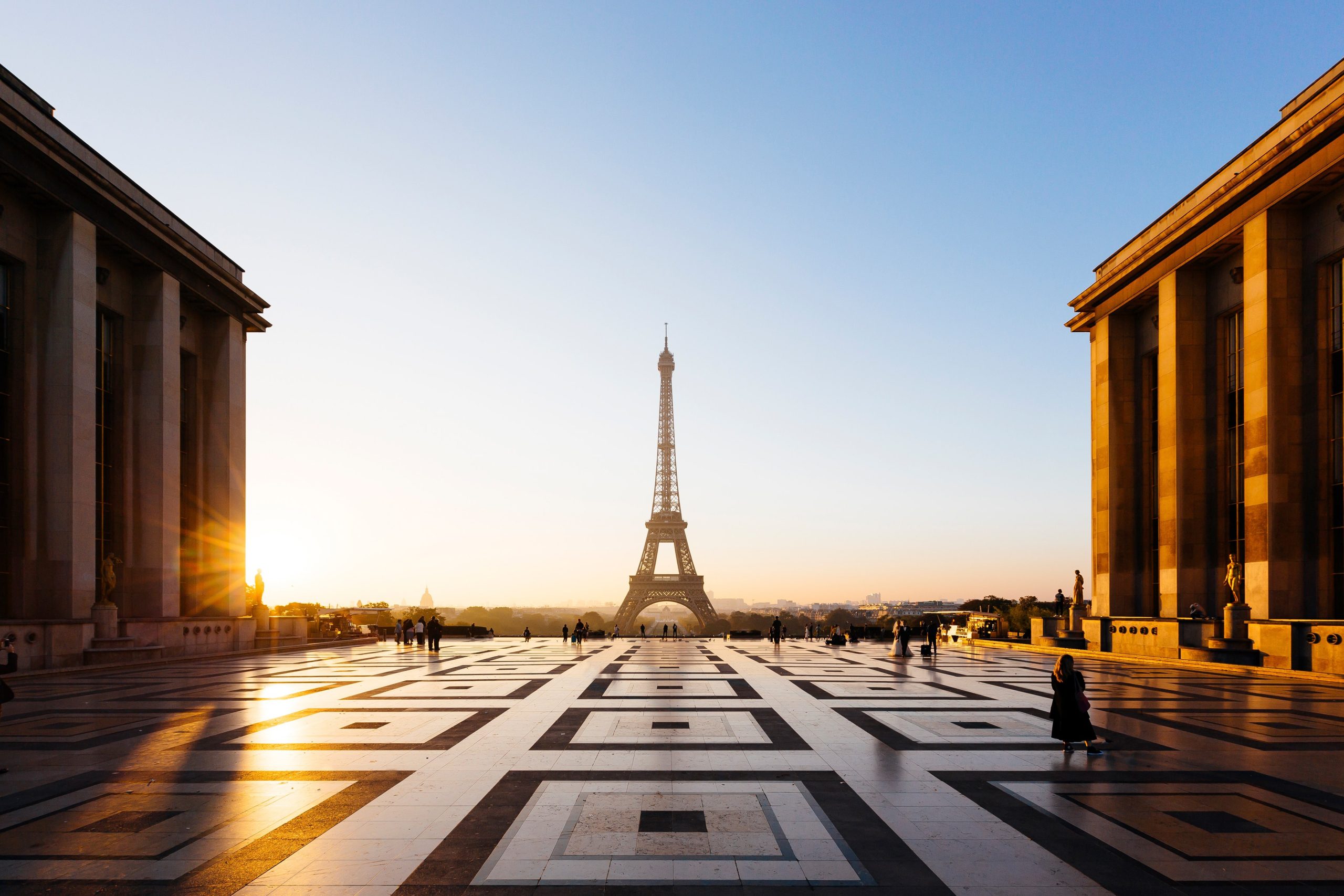
The best times for capturing stunning Eiffel Tower photos are early morning during sunrise and late evening around sunset. These times offer the best natural lighting, with softer shadows and a more vibrant atmosphere. Sunrise at Place du Trocadéro, for instance, provides a golden glow that enhances the tower’s beauty, while the late evening offers a romantic backdrop with the tower’s twinkling lights.
Essential Equipment for Capturing the Eiffel Tower
A tripod is crucial for nighttime shots to capture the tower’s twinkling lights effectively. It helps stabilize the camera, allowing for sharper images even in low light conditions. Additionally, a good camera with adjustable settings is essential to capture the perfect exposure, whether during the day or at night.
Top Eiffel Tower Photo Spots to Explore
Classic Locations: Place du Trocadero and Champ de Mars
-
Place du Trocadero: This is one of the most iconic spots for Eiffel Tower photography. The area offers stunning views, especially during sunrise when the golden light highlights the tower’s grandeur. While the main stairs are popular, the side staircases and gardens provide quieter and more unique perspectives.
-
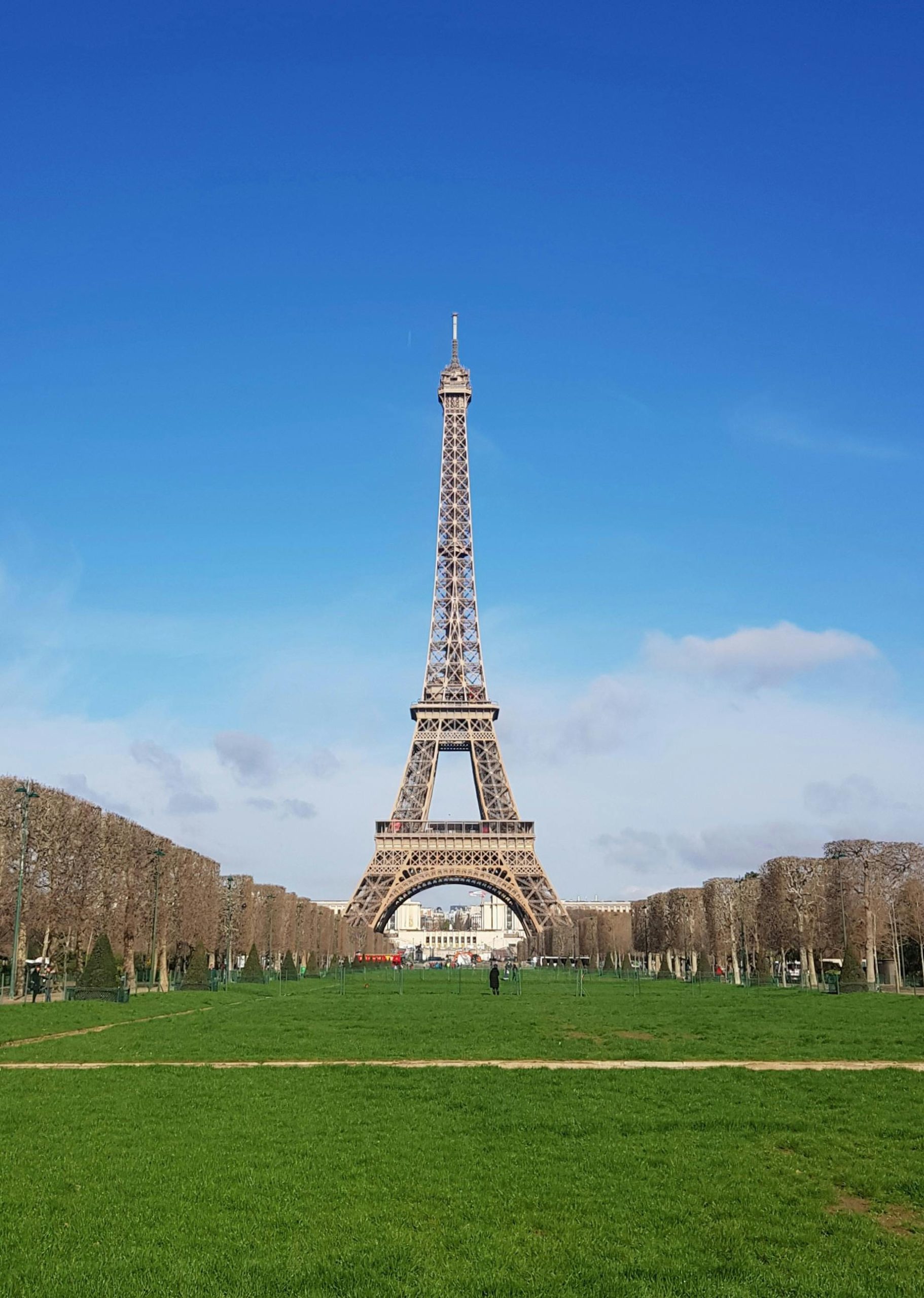
Champ de Mars: Located directly beneath the Eiffel Tower, Champ de Mars offers a panoramic view of the tower’s grandeur. It’s perfect for capturing the tower’s nighttime sparkle, and the surrounding gardens provide additional photo opportunities.
Hidden Gems: Avenue de Camoens and Rue de l’Université
-
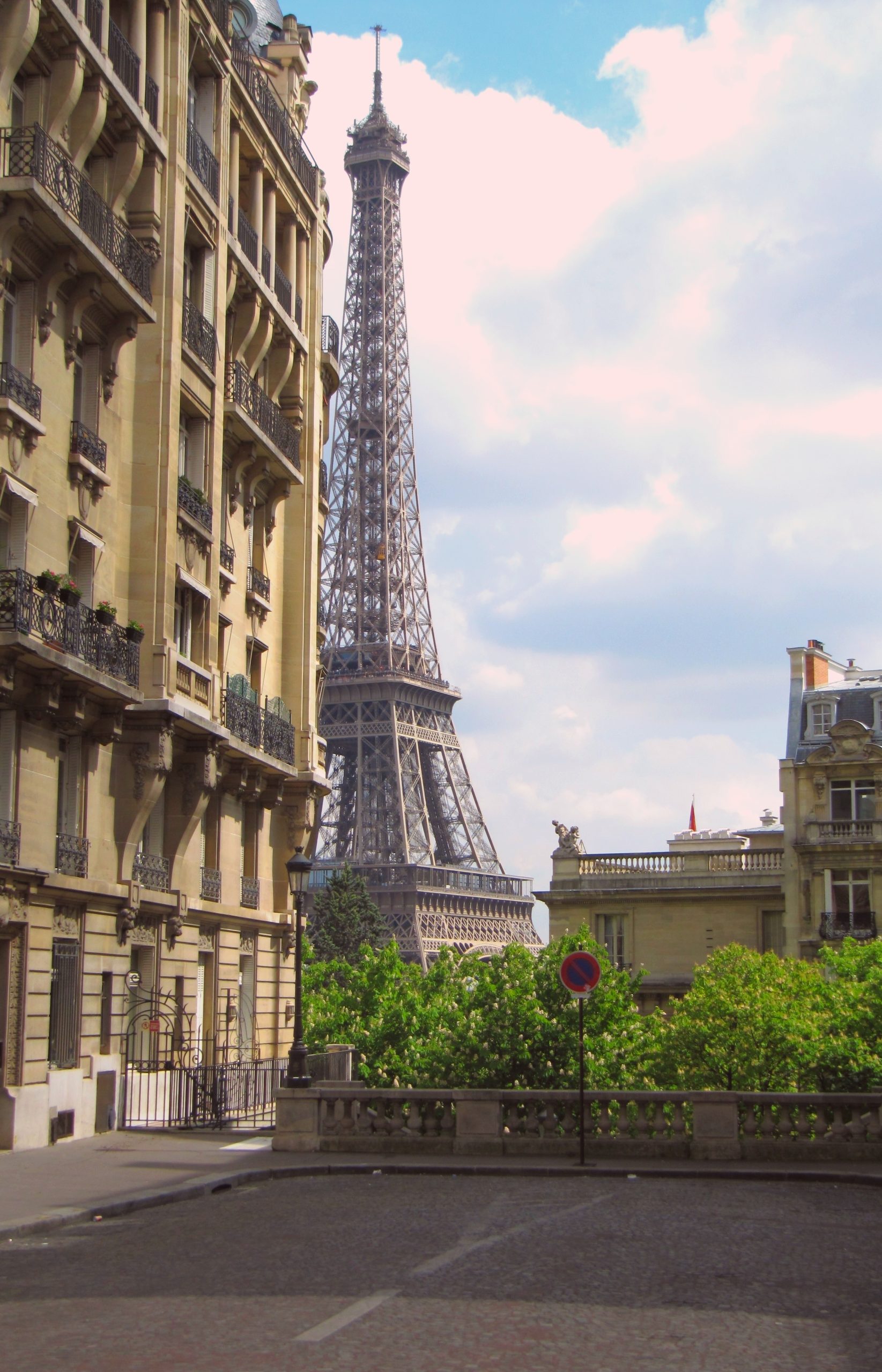
Avenue de Camoens: This charming street offers a picturesque backdrop with Parisian architecture, making it ideal for capturing the Eiffel Tower’s silhouette against a classic Parisian setting. It’s a great spot for portraits with the tower in the background.
-
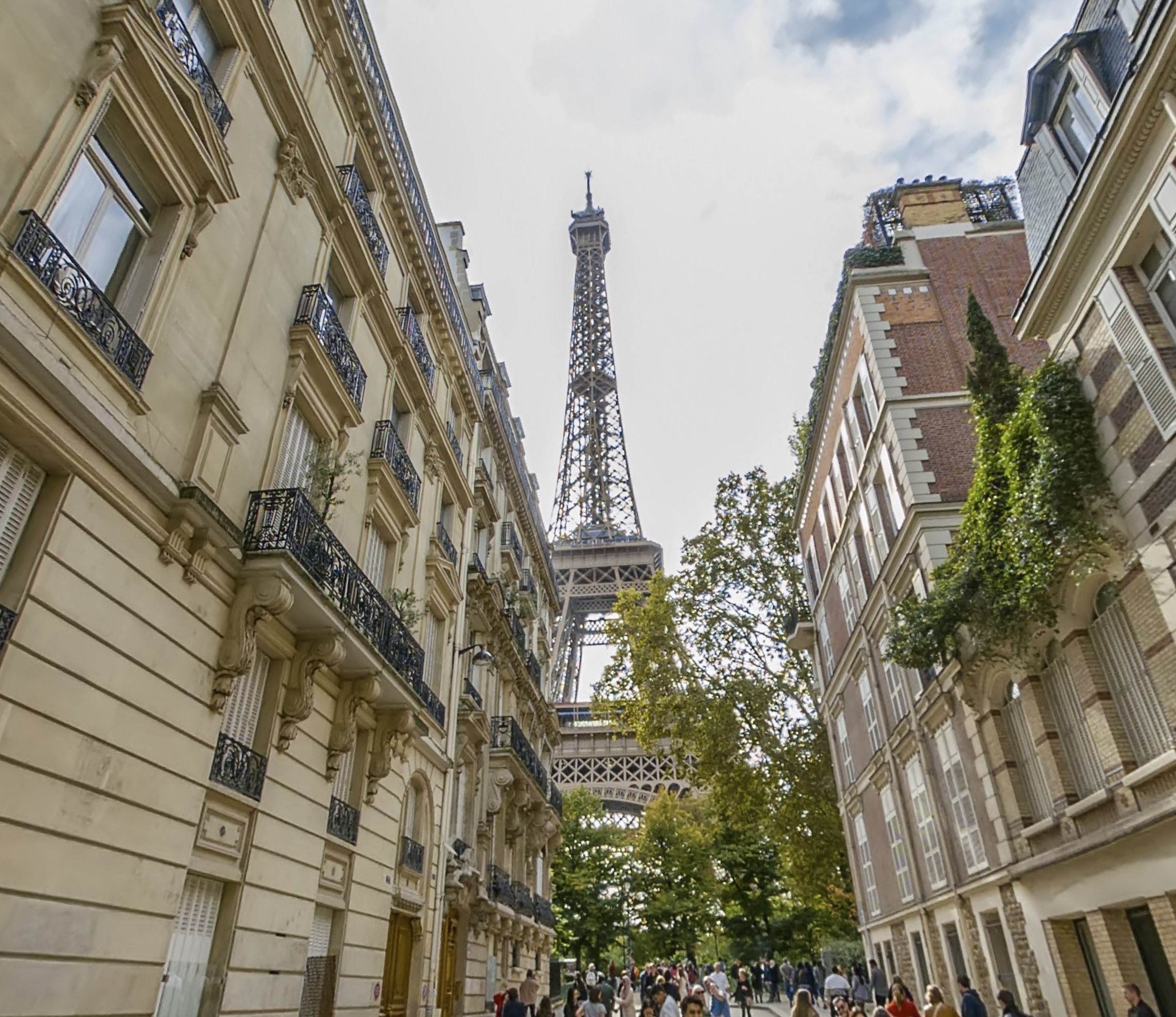
Rue de l’Université: Renowned for its intimate perspective, this street is located right next to the Eiffel Tower. It’s a favorite among photographers seeking a close-up view without the crowds typically found at more popular spots.
The Art of Capturing Unique Perspectives
Experimenting with Angles and Lighting
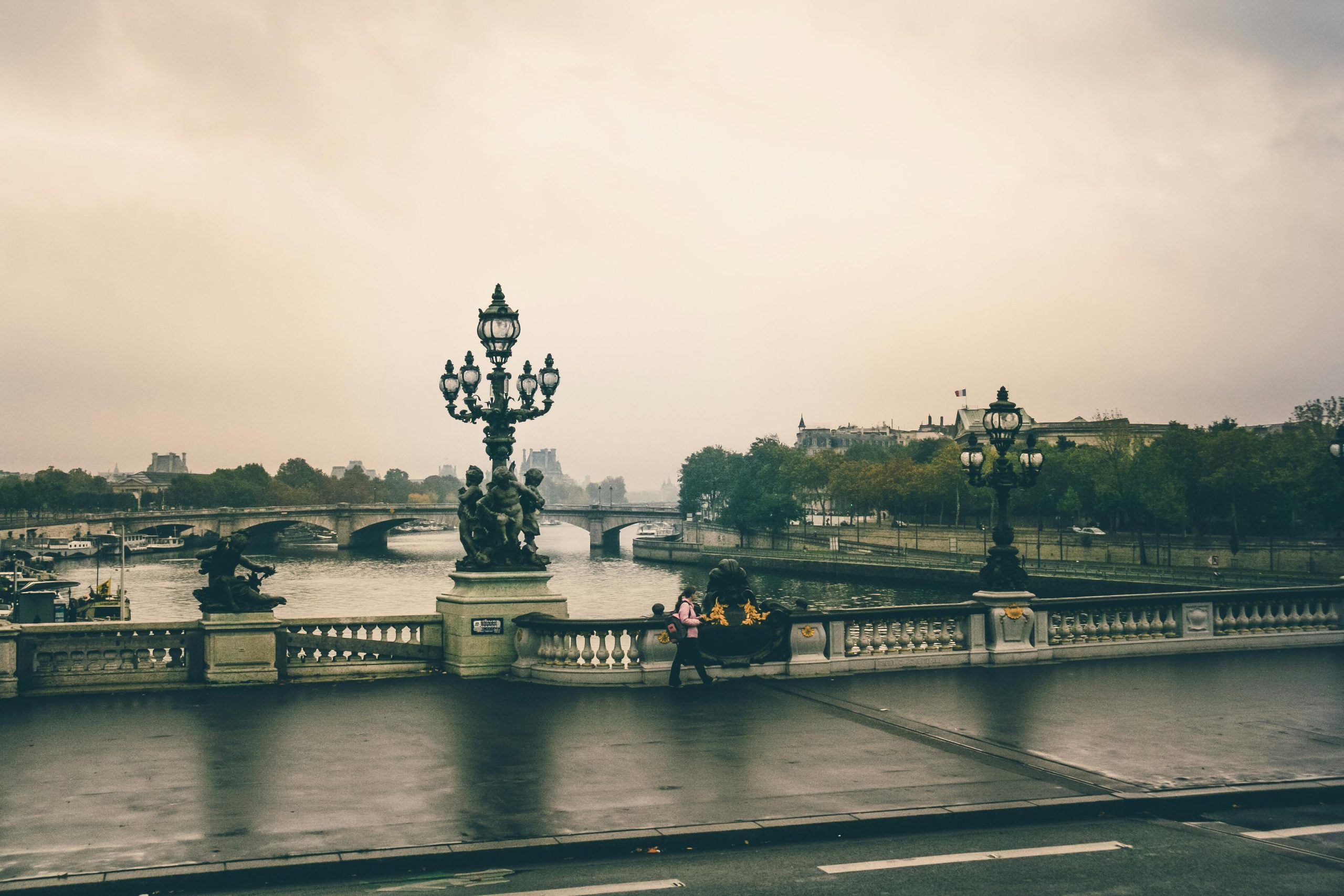
Experimenting with different angles and lighting conditions can add depth to your photos. Reflections and silhouettes can create interesting compositions, especially when captured during the golden hour or at night. Using the Seine River or famous bridges like Pont de Alexandre III as a foreground can enhance the tower’s presence in your photos.
Incorporating Local Paris Landmarks
Incorporating other Parisian landmarks into your shots can provide a richer context. For example, capturing the Eiffel Tower from the top of the Arc de Triomphe or alongside the Seine River adds a sense of place and history to your photos. This approach also allows you to tell a more comprehensive story of Paris through your photography.
Frequently Asked Questions
What are the Best Times to Visit the Eiffel Tower for Photography?
The best times to visit the Eiffel Tower for photography are early morning during sunrise and late evening around sunset. These times offer the best natural lighting for capturing stunning photos. Sunrise at Place du Trocadéro is particularly recommended for its golden light, while the late evening offers a romantic backdrop with the tower’s twinkling lights.
Which Camera Equipment is Essential for Eiffel Tower Photography?
A tripod and a good camera with adjustable settings are crucial for Eiffel Tower photography. The tripod helps stabilize the camera for nighttime shots, allowing you to capture the tower’s twinkling lights effectively. Adjustable camera settings enable you to capture the perfect exposure, whether during the day or at night.
Exploring the best Eiffel Tower photo spots in Paris is a journey that combines iconic views with artistic expression. By choosing the right time and equipment, you’ll capture memories that last a lifetime. Whether you’re capturing the tower’s grandeur at sunrise or its sparkle at night, each moment offers a unique perspective on this timeless Parisian landmark. Start your photography adventure today and discover the magic of the Eiffel Tower through your lens For more unique photography locations in Paris, consider exploring the best secret photography spots or planning an engagement photoshoot at the Eiffel Tower with expert guidance.