Key Takeaways
- The best spot for Eiffel Tower photo at night depends on your preferred angle, with Trocadéro, Avenue de Camoens, and Pont de Bir-Hakeim leading for iconic and dramatic shots.
- Arrive early or late at night to avoid crowds and capture the Eiffel Tower’s sparkle, which occurs hourly after sunset until 1 AM.
- Use a tripod, low ISO, and long exposure for sharp, vibrant night images, compact setups are best for busy or residential areas.
- Explore hidden gems like Rue de Buenos Aires and rooftop bars for less crowded, unique perspectives in your Paris nighttime photography.
Looking for the best spot for Eiffel Tower photo at night? You’re not alone, capturing the Eiffel Tower’s magical nighttime sparkle is at the top of every Paris visitor’s list. The Tower’s glittering lights transform the Paris skyline after sunset, making for unforgettable images and memories.
With countless viewpoints scattered across Paris and ever-changing crowd patterns, finding the ideal location and timing for your shot can be challenging. From classic postcard panoramas to artistic compositions with Parisian streetlife, the perfect angle may depend on your vision, and your patience with nighttime crowds.
This comprehensive guide highlights both iconic and lesser-known spots for stunning Eiffel Tower night photos. You’ll find actionable tips on location access, timing, safety, and respectful photography, ensuring you capture the City of Light at its most enchanting.
Best Classic Viewpoints for Eiffel Tower Night Photos
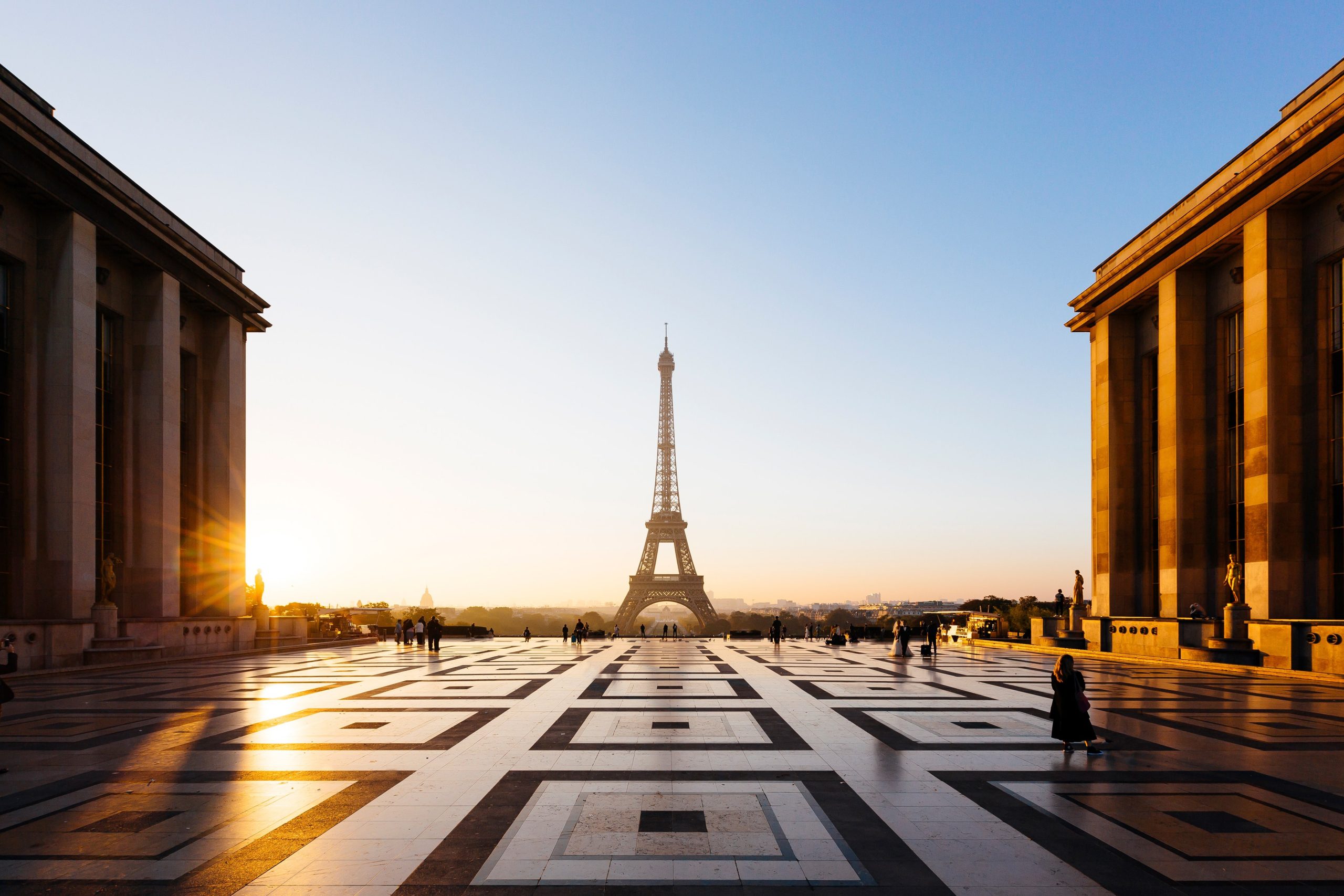
Trocadéro: Iconic Night Panoramas
The Trocadéro remains the best spot for Eiffel Tower photo at night for sweeping, symmetrical images. The main plaza (Esplanade du Trocadéro) offers a direct, unobstructed view of the illuminated Tower, while the adjacent staircases and gardens provide creative framing options. For the classic shot, wide stairs leading to the glowing Eiffel Tower, arrive at sunrise or shortly after sunset for softer light and fewer crowds.
At night, the Trocadéro fills with photographers and tourists, especially around the hourly sparkle. To avoid obstructions, set up 15 minutes before the hour and use moderate ISO (400–1600) with a shutter speed around 1/60–1/125 to capture the Tower’s light show without blur. The lower gardens offer reflective pools after rain, perfect for capturing the Eiffel Tower mirrored in water.
Safety is paramount: keep valuables secure, stick to well-lit areas, and avoid isolated corners after dark. Compact tripods are recommended, large setups can attract unwanted attention, and local authorities may restrict their use in busy spots. For more on why Trocadéro is the best Eiffel Tower photo spot, see this expert guide.
Avenue de Camoens: Elegant Parisian Backdrop
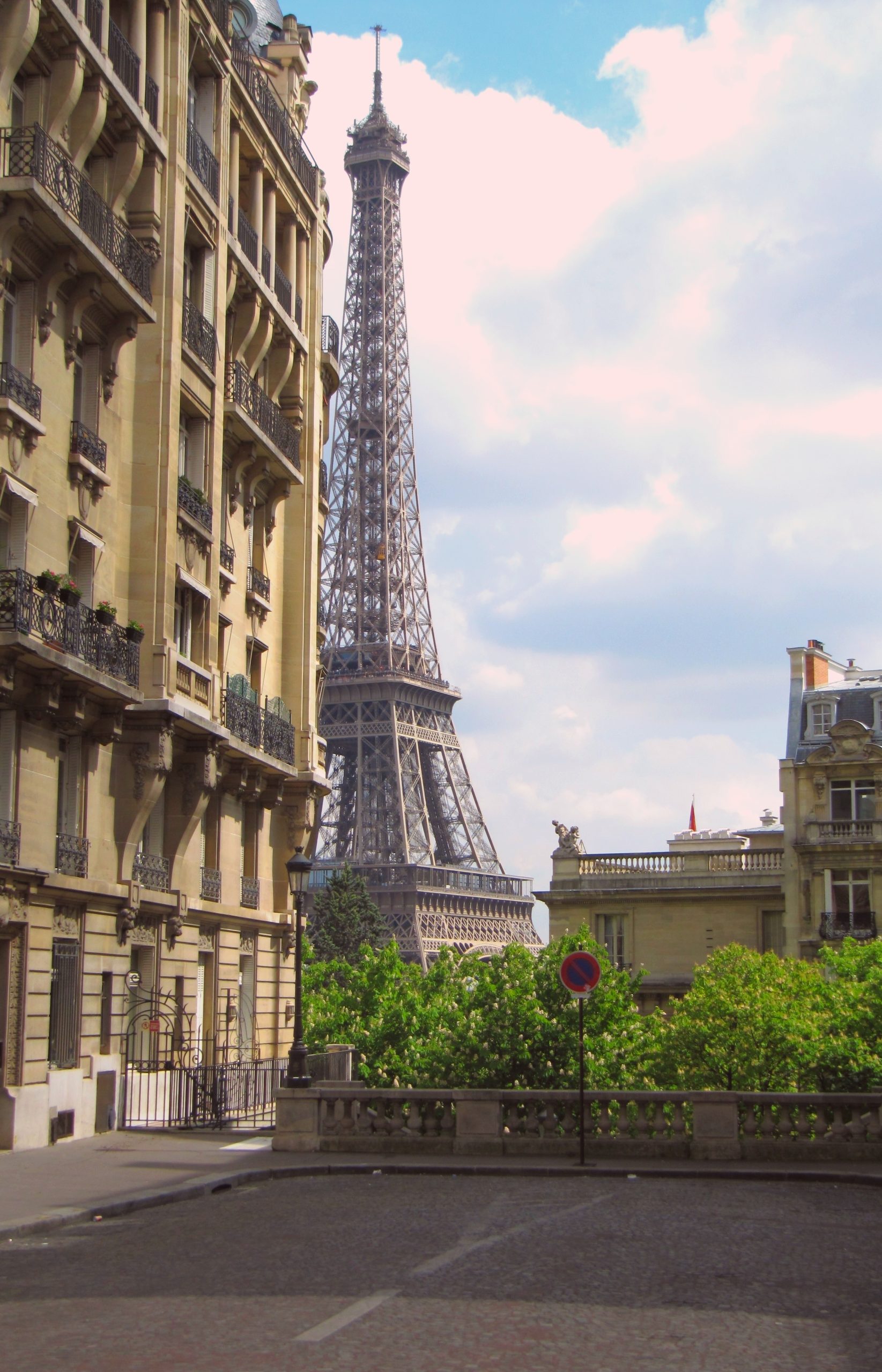
Avenue de Camoens offers a quieter, refined composition: a classic stone balustrade frames the Eiffel Tower with ornate Parisian architecture in the foreground. The street’s gentle curve and symmetrical staircases allow for creative, layered shots, ideal for both wide angles and fashion portraits.
Because Avenue de Camoens is a residential street, visit at sunrise or late at night for empty frames and soft atmospheric lighting. The spot is popular among photographers and influencers, so even early mornings may see a few tripods, patience and respect for residents are essential. Always keep sidewalks clear and noise to a minimum, especially during late-night visits.
Hidden Gems and Local Secrets for Unique Night Views
Rue de l’Université: Famous Instagrammable Street
Rue de l’Université is renowned for its perfectly centered Eiffel Tower view, framed by quintessential Parisian facades. This “Instagram street” is especially magical at night, when the Tower glows against the dark sky. For the best shot, visit early morning or late evening, midday and early evening can attract dense crowds, and residents value quiet hours.
Keep camera gear compact and avoid blocking doorways. A tripod is helpful for long exposures, but opt for a lightweight model to stay unobtrusive and mobile. For more on sharing and posting your images, see guidance on Eiffel Tower night photo rules.
Rue de Buenos Aires: Under-the-Radar Tranquility
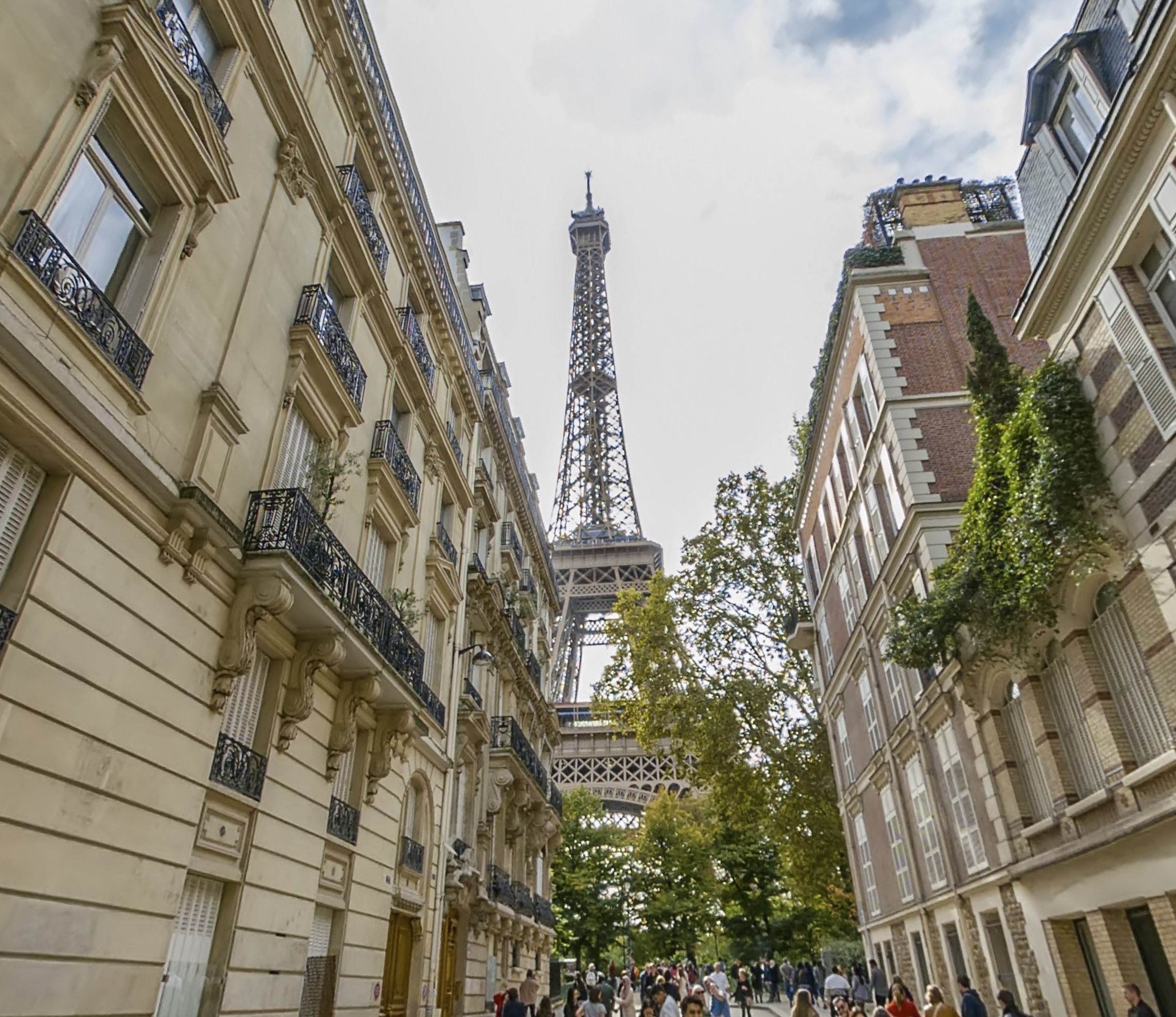
For a peaceful alternative, Rue de Buenos Aires delivers similar iconic Tower views with far less foot traffic. Located near Trocadéro, this residential street lets you capture the illuminated Eiffel Tower in a calm setting, ideal for night photography without distractions.
Arrive after sunset to enjoy the Tower’s sparkle in a serene environment. Remain mindful of locals by keeping noise low and gear tidy. This spot is particularly suited for those seeking hidden Eiffel Tower photo spots and a relaxed shooting experience.
Avenue Rapp & Rue Saint-Dominique: Parisian Street Life Meets Tower Views
Avenue Rapp features ornate Art Nouveau buildings, offering a striking architectural foreground for Eiffel Tower shots. The interplay between historic facades and the glowing Tower creates dramatic, layered compositions, ideal for photographers seeking a distinctive Parisian vibe.
Just steps away, Rue Saint-Dominique buzzes with café culture and nighttime energy. Here, lively street scenes provide opportunities to capture the Tower rising above bustling Parisian life. For the best results, explore both streets for balanced images, dynamic street photography on Rue Saint-Dominique, and composed architectural frames on Avenue Rapp. Always be courteous, as these are active neighborhoods with residents and businesses.
Riverbank and Bridge Perspectives: Capturing Paris Reflections
Pont d’Iéna: Classic Bridge Framing and Nighttime Allure
Pont d’Iéna connects Trocadéro gardens to the Eiffel Tower’s base, offering up-close, dramatic night photos. The bridge’s central axis delivers perspective-heavy compositions, with the Tower looming large and reflections sometimes visible in the Seine below. For the best sparkle shots, arrive just before the hour and use a tripod for stability.
Be cautious of traffic when photographing from the bridge, especially at night. Compact gear and situational awareness are essential. For additional tips, see the best spots to see the Eiffel Tower sparkle at night guide.
Pont de Bir-Hakeim: Double-Level Bridge Drama
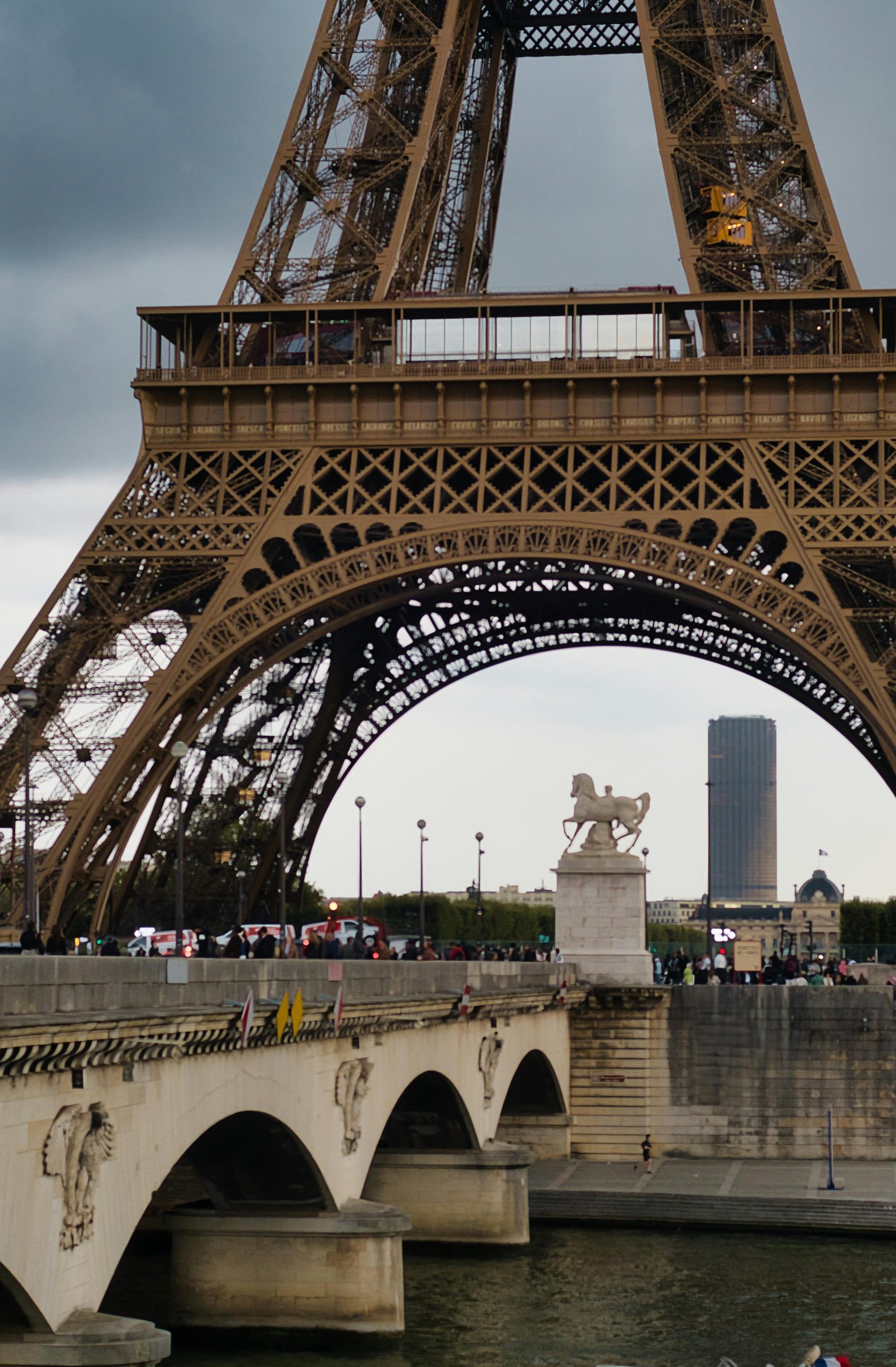
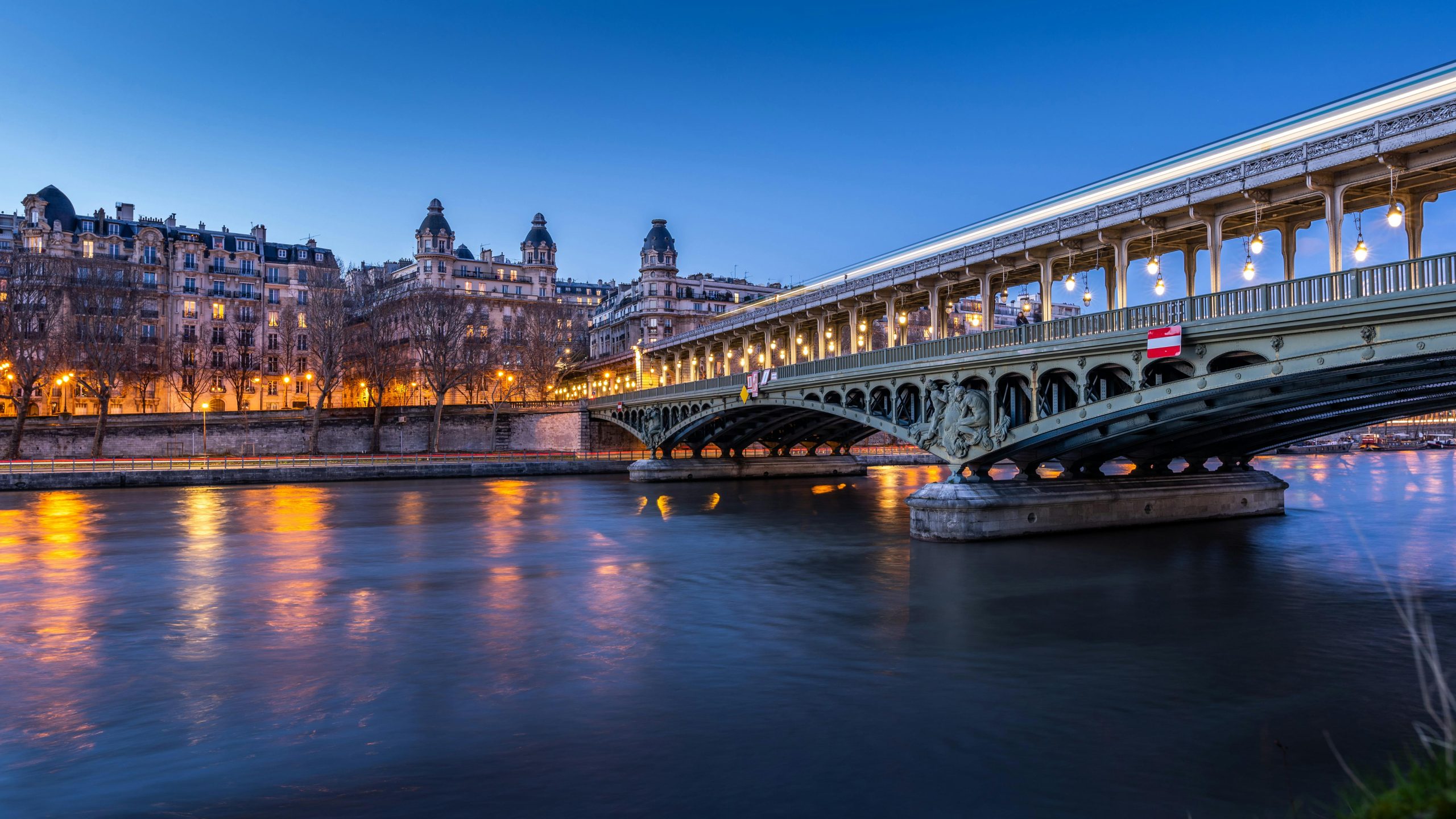
With its metal arches and elevated train line, Pont de Bir-Hakeim provides one of the most theatrical night views of the Eiffel Tower. The bridge’s lower pedestrian level offers symmetry and leading lines, while the upper deck frames wide-angle shots with architectural drama. The bridge’s open design ensures consistent lighting and safe passage even late into the night.
Photographing here at blue hour or after sunset captures the Tower’s illumination with minimal glare. Wind can be a factor, so use the bridge’s columns for extra tripod stability. Pont de Bir-Hakeim is a favorite among filmmakers and photographers for cinematic night compositions.
Seine Riverbanks: Water Reflections and Light Trails
The Seine riverbank Eiffel Tower view yields some of the most atmospheric night images. Look for vantage points between Pont d’Iéna and Pont de Bir-Hakeim for sweeping reflections of the Tower’s lights in the water. After rain, pools under bridges can mirror the Eiffel Tower’s glow for creative long-exposure shots.
For safety, remain in well-lit sections of the riverbank and avoid isolated areas late at night. Use a wide lens and low ISO to capture the full scene, and try shooting at blue hour for a vibrant, balanced exposure. Night photography Paris scenes along the Seine often benefit from experimenting with light trails from passing boats or street traffic.
Elevated & Unconventional Vantages: Paris from Above
Montparnasse Tower: Panoramic Skyline Views
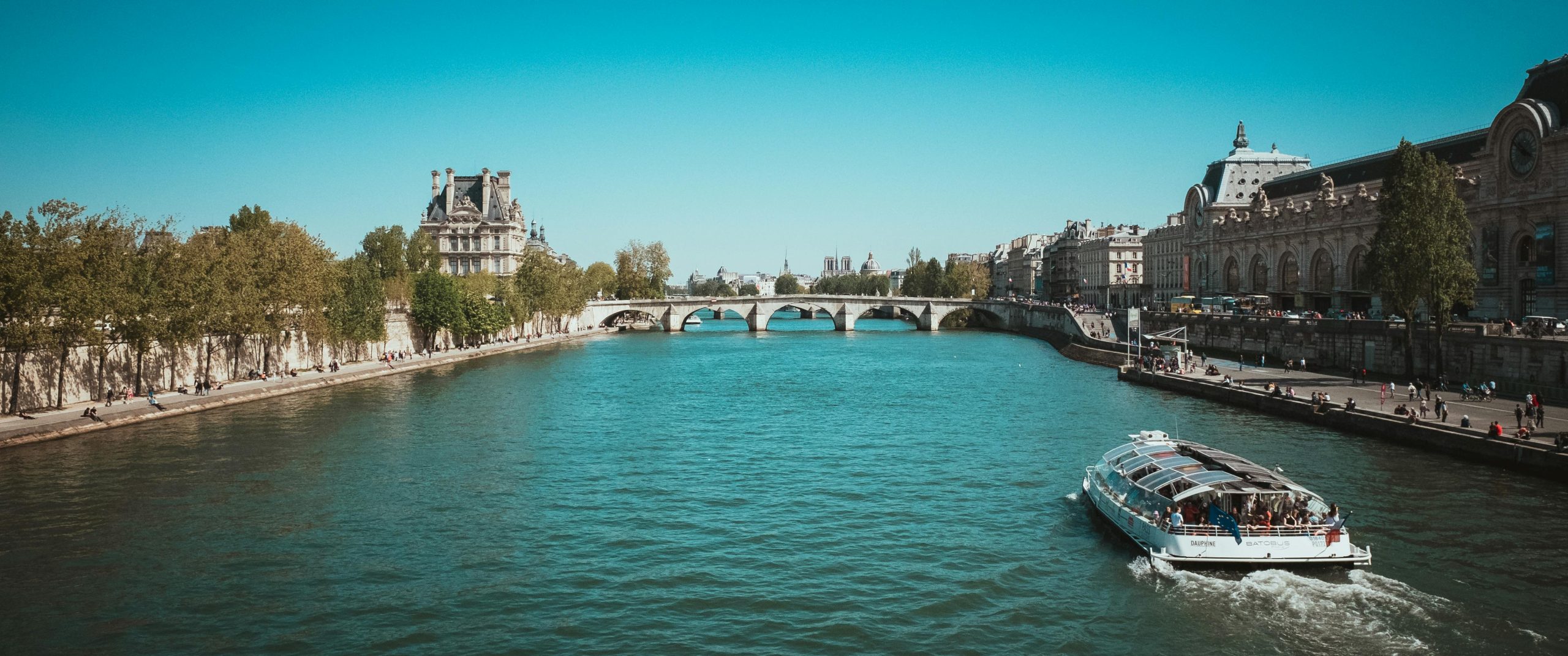
For an unrivaled night panoramic view of Paris, the Montparnasse Tower observation deck is a top choice. Its 56th-floor terrace delivers a sweeping, high-elevation perspective of the entire city, with the Eiffel Tower front and center. The Tower sparkles in context with the Paris skyline, perfect for wide compositions and time-lapse sequences.
Book tickets in advance, especially for sunset and night hours when demand peaks. Admission fees vary, and photography is permitted with compact tripods (large tripods may be restricted). Arrive 30–60 minutes before sunset to secure your spot and capture both golden hour and the Tower’s evening illumination.
Centre Pompidou & Rooftop Bars: Chic City Scenes
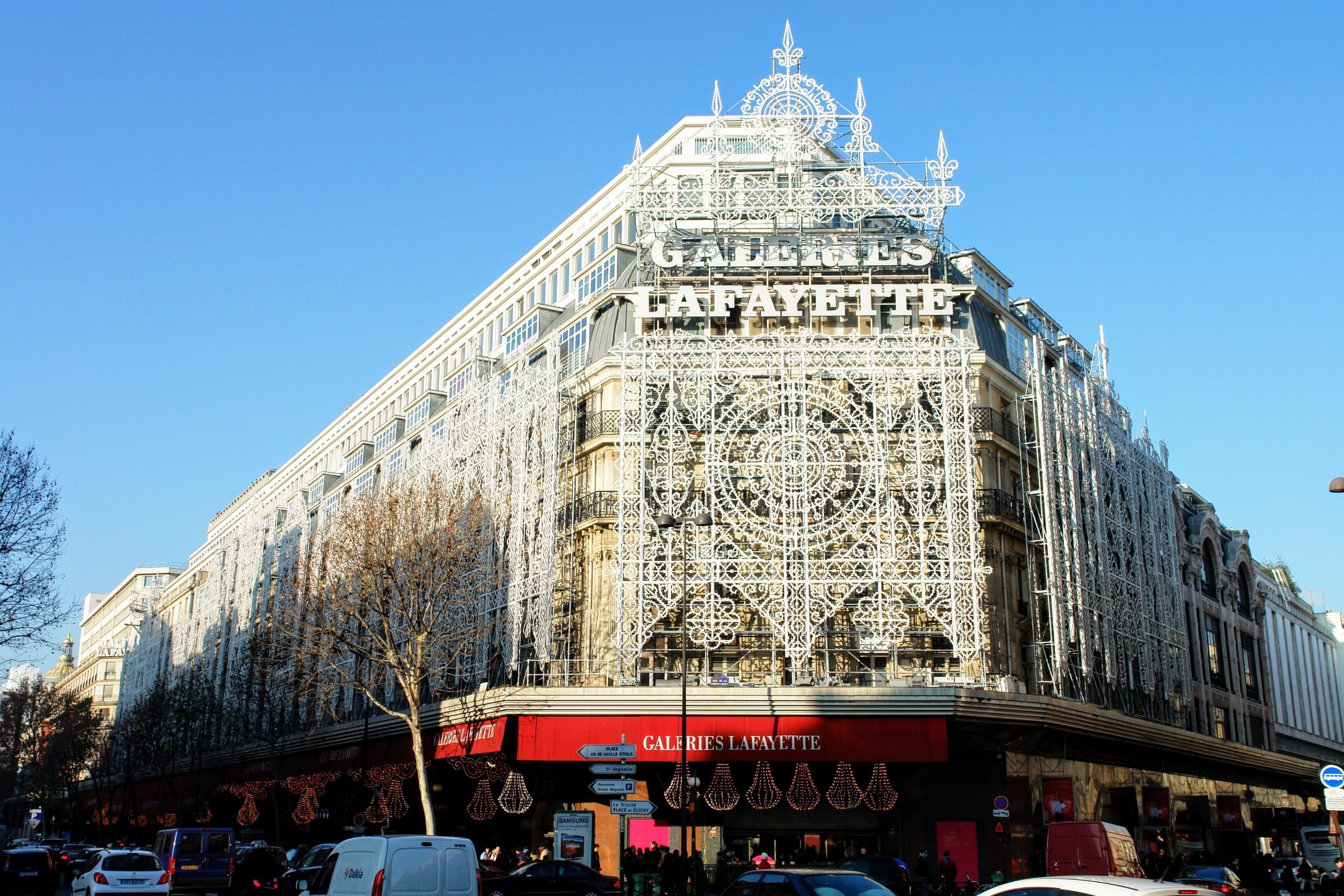
Several rooftops across Paris offer unique elevated views of the Eiffel Tower at night. The Centre Pompidou rooftop terrace provides modern cityscapes with the Tower shimmering in the distance. Department stores like Printemps and Galeries Lafayette also feature rooftop viewpoints ideal for Paris rooftops Eiffel Tower photography.
For a more relaxed experience, select rooftop bars in the 7th and 16th arrondissements combine city lights, chic ambiance, and the illuminated Eiffel Tower in one frame. Always check opening hours and camera policies, as some venues may have restrictions on professional gear.
Compared to ground-level spots, these elevated vantages deliver a broader, less crowded view, ideal for capturing the Eiffel Tower’s glow within the vast Parisian cityscape.
Essential Tips for Capturing the Eiffel Tower at Night
Night Photography Techniques for Paris
For sharp, vibrant Eiffel Tower night photography, use a tripod or clamp for stability. Set your camera ISO between 400–1600, keep your aperture wide (f/2.8–f/5.6), and use long exposures (1–10 seconds) to capture the Tower’s illumination and sparkling lights. Manual focus and RAW shooting provide maximum control in post-processing. A rubber lens hood or phone polarizer can help reduce glare when shooting through glass.
Avoiding Crowds and Staying Safe
To minimize crowds, visit your chosen location at sunrise, after midnight, or during off-peak seasons. Always stay alert, especially in popular spots, pickpocketing is more common in tourist-heavy areas. Stick to well-lit paths, use a crossbody bag for your gear, and avoid displaying expensive equipment unnecessarily. For more on Paris safety at night, consult local advisories before your visit.
Respecting Parisian Locals and Spaces
Many top night photo spots, such as Rue de l’Université and Avenue de Camoens, are residential. Be respectful: keep noise to a minimum, avoid blocking entrances, and use compact gear. Early morning or late-night visits are best for both photography and minimizing disruption to local life.
Prepare for changing weather, Paris nights can be breezy or damp, especially along the river. Bring spare batteries, weather protection for your camera, and a small microfiber cloth for lenses. Keep your visit efficient and enjoyable by planning your route in advance.
Frequently Asked Questions
Where is the best spot for an Eiffel Tower photo at night?
The best spot for Eiffel Tower photo at night is widely considered to be the Trocadéro, known for its grand panoramic views and symmetrical framing. However, alternatives like Pont d’Iéna, Rue de l’Université, and Avenue de Camoens offer different atmospheres, ranging from energetic crowds to peaceful, architectural settings, so your ideal location depends on the mood you want to capture.
When does the Eiffel Tower sparkle at night, and how can I photograph it?
The Eiffel Tower’s sparkling light show occurs every hour on the hour, from sunset until 1 AM. Arrive early or late to avoid crowds, and use a tripod, low ISO (400–800), and a shutter speed of 1–5 seconds for sharp, vibrant images. Manual focus is key to prevent autofocus hunting in low light.
Are there any quiet or less touristy spots for Eiffel Tower night photos?
Yes, streets like Rue de Buenos Aires and Avenue Rapp offer tranquil settings with iconic Tower views, especially at night. Always be considerate and keep noise low, as these are residential areas. Early morning or late-night visits ensure a calmer experience and unobstructed frames.
What camera settings work best for night photos of the Eiffel Tower?
For night photography Paris shots, use a tripod, set ISO between 400–1600, use a wide aperture (f/2.8–f/5.6), and experiment with long exposures (1–10 seconds). Shoot in RAW for editing flexibility, and switch to manual focus for sharp results.
Is it safe to take photos of the Eiffel Tower at night?
Paris is generally safe, but exercise caution in busy or dimly lit areas. Stick to well-lit spots like Trocadéro or the bridges, keep your gear secure, and avoid isolated riverbanks late at night. Traveling with a friend or group is recommended for added safety.
Capturing the perfect Eiffel Tower night photo is all about choosing the right spot, timing your visit to avoid crowds, and applying expert photography techniques. Whether you opt for Trocadéro’s grandeur, tranquil residential streets, or panoramic rooftop views, you’ll be rewarded with images that reflect the magic of Paris after dark. Plan your Paris sunset itinerary today and share your favorite Eiffel Tower night photos using #ParisNightShots. For those seeking deeper guidance, local photography tours and expert resources can further elevate your nighttime experience in the City of Light.