Key Takeaways
- Paris covered passages photos offer distinctive settings, with natural light and intricate details, for photographers seeking unique Parisian architecture beyond the city’s famous landmarks.
- The best time for photography is during early mornings or late afternoons to capture atmospheric lighting and avoid crowds in popular arcades like Passage du Grand Cerf and Galerie Vivienne.
- Expert tip: Use symmetry, leading lines, and reflections for dramatic compositions; don’t overlook mosaic floors, ironwork, and vintage storefronts for hidden gems photography.
- Many covered passages are centrally located and within walking distance of icons such as the Louvre and Palais Royal, making them ideal indoor locations for bad weather shoots.
Searching for the most photogenic corners of Paris beyond the classic landmarks? The city’s enchanting covered passages offer a treasure trove of unique photo opportunities, blending architecture, history, and Parisian charm in every frame.
Mainstream Paris highlights, like the Eiffel Tower or Notre-Dame, attract crowds and make capturing unique images a challenge for photographers and enthusiasts seeking something different. The rise of social media and mass tourism has only increased the demand for off-the-beaten-path locations that reveal the authentic spirit of the city.
Paris’s mesmerizing covered passages provide the perfect solution. These hidden, glass-roofed arcades are filled with historic details, vibrant storefronts, and atmospheric lighting, creating ideal settings for creative photography and intimate discovery. Whether you’re a professional, a traveler with a keen eye, or searching for secret photography spots in Paris for unique captures, the passages couverts offer inspiration in every direction.
A Brief History of Paris’s Covered Passages
Origins and Golden Age
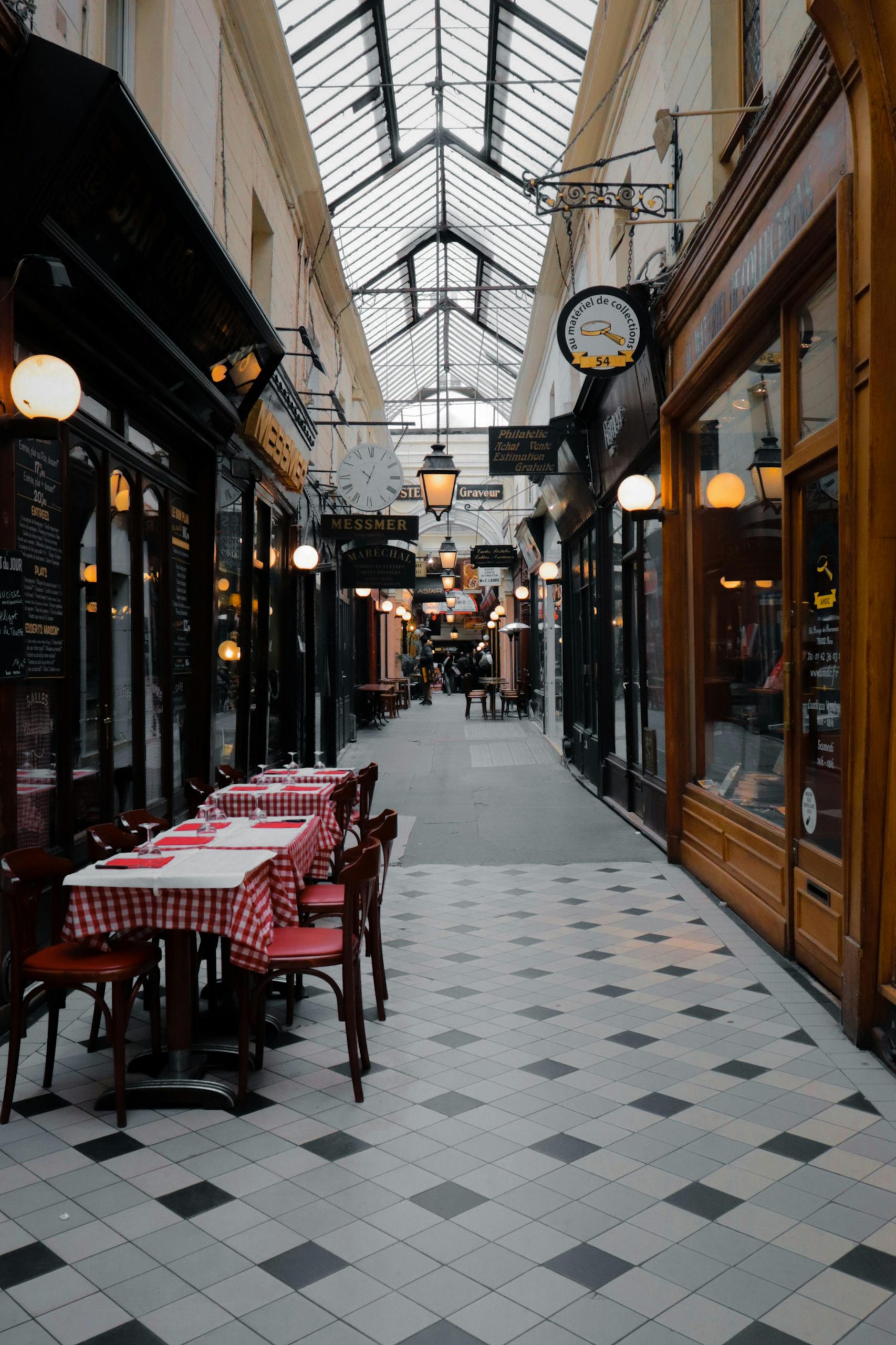
The story of the Paris covered passages begins in the late 18th century, as the city rapidly expanded and its streets became crowded and muddy. Merchants and citizens sought shelter from unpredictable Parisian weather, prompting the construction of the first passages couverts, narrow, glass-roofed arcades lined with shops illuminated by natural light. These early indoor arcades provided a welcome escape from the chaos of the city and quickly gained popularity among both the elite and the growing middle class.
By the early 19th century, the concept flourished. At their peak, there were over 150 covered passages throughout Paris, serving as vibrant commercial hubs filled with boutiques, cafes, and even theaters. The design was revolutionary for its time, offering a protected shopping experience and fostering a new kind of urban leisure.
Architectural Styles and Notable Influences
The architecture of Paris’s covered passages reflects a blend of French classicism and exotic influences, especially those inspired by Napoleon’s Egyptian campaigns. Passage du Caire, the city’s oldest (opened in 1798), famously features Egyptian motifs, including columns resembling palm trees and sculptural images of the goddess Hathor, a nod to the era’s “Egyptomania”.
These arcades often showcased innovative construction, using metal and glass to maximize light and create an airy, elegant atmosphere. Decorative details such as mosaic floors, coffered vaults, wrought-iron gates, and stained-glass domes further enhanced their allure. Many passages were strategically positioned near major landmarks like Palais Royal, the Louvre, and the Grands Boulevards, embedding them in the heart of Parisian life.
Although most passages fell into decline with the rise of department stores and urban modernization, approximately 24 remain today, many beautifully restored and protected as historical monuments. These surviving arcades invite visitors to step back into a more romantic, architecturally rich era, making them ideal subjects for Paris covered passages photos and for those interested in covered passages Paris history.
Why Paris Covered Passages Are a Photographer’s Dream
Unique Lighting and Atmosphere
The interplay of natural light filtering through ornate glass ceilings creates dynamic conditions for Paris covered passages photos. Throughout the day, shifting sunlight produces dramatic contrasts and reflections, allowing photographers to experiment with exposure and mood. Even on overcast days, these indoor locations provide consistent illumination, making them excellent choices for indoor locations for bad weather photography.
Details That Tell a Story
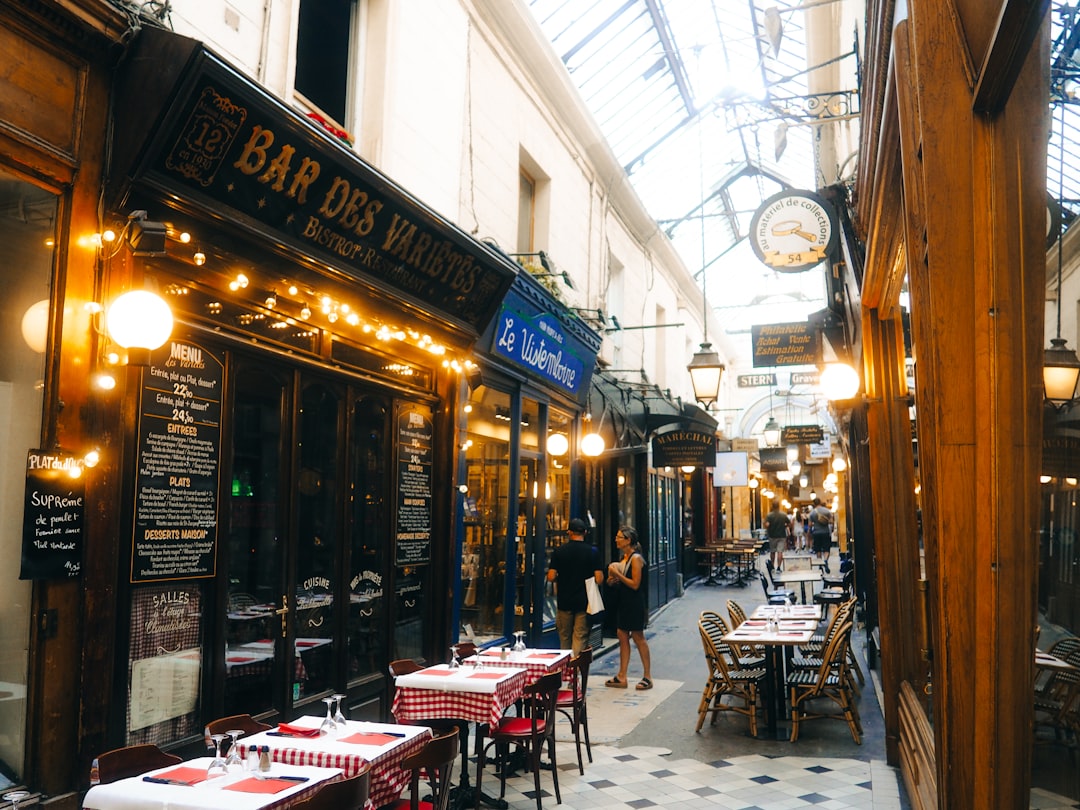
Each passage offers a wealth of visual details. Intricate mosaic floors, wrought-iron gates, and vintage shopfronts tell the story of 19th-century Parisian life. Some passages are restored with a striking blend of old and new, such as Passage du Grand Cerf’s soaring ironwork or Galerie Véro-Dodat’s neoclassical geometry. These elements provide endless opportunities for both wide architectural compositions and close-up shots of unique Parisian architecture, perfect for hidden gems photography and detailed architectural photography Paris.
Passages like Passage des Panoramas and Passage Jouffroy feature retro signage, cozy cafes, and atmospheric lighting that evoke the city’s timeless allure. Whether focusing on the textures of historic stone, the glow of antique lamps, or the play of reflections in glass storefronts, each frame offers a chance to craft a visual narrative unique to Paris. For more inspiration, discover other best secret photography spots in Paris for your next outing.
Top Covered Passages for Stunning Photos
Passage du Grand Cerf: Ironwork Elegance
Located in the 2nd arrondissement near the Sentier district, Passage du Grand Cerf is celebrated for its soaring 12-meter-high glass roof and intricate ironwork. Restored in recent years, its bright, open space is a favorite for photographers seeking dramatic vertical shots and leading lines. Artisan boutiques and designer shops add vibrant color and character to every frame. The nearest metro stations are Sentier and Étienne Marcel, and early mornings offer the best chance for undisturbed photos.
Passage des Panoramas: Vintage Vibes
Passage des Panoramas, the oldest covered arcade in Paris (inaugurated in 1799), sits in the heart of the Grands Boulevards and is easily accessed via Bourse or Grands Boulevards metro stations. The passage’s retro signage, antique shops, and cozy bistros have made it a haven for lovers of vintage ambiance and classic Parisian style. The interplay of warm lighting and reflective surfaces is ideal for capturing nostalgic, atmospheric Paris covered passages photos.
Galerie Vivienne: Parisian Glamour
Galerie Vivienne, a short walk from the Palais Royal and Bibliothèque Richelieu, epitomizes Parisian elegance. Its neoclassical mosaics, glass domes, and symmetrical arches create a refined backdrop for both wide-angle and detailed shots. The passage is especially photogenic in the late afternoon when soft light enhances its ornate features. Palais Royal–Musée du Louvre is the nearest metro. For couples or those interested in hidden gems for couples photoshoots in Paris, Galerie Vivienne is a top recommendation.
Others Worth Discovering
- Galerie Véro-Dodat: Near the Louvre, this neoclassical passage is known for its checkerboard floor and chic boutiques. It’s one of the first to feature gas lighting, adding a historic glow to photos. Metro: Louvre-Rivoli or Palais Royal–Musée du Louvre.
- Passage Jouffroy: Adjacent to Passage des Panoramas in the 9th arrondissement, Jouffroy’s wrought-iron roof and slate flooring offer moody, textural shots, especially on cloudy days. Metro: Grands Boulevards or Richelieu–Drouot.
- Passage du Caire: The oldest and longest passage (opened in 1798), its Egyptian Revival details and bustling wholesale shops make it a fascinating subject for those interested in covered passages Paris history and dynamic street scenes. Metro: Sentier.
For the best photos, visit during quieter hours, typically before 11 a.m. or after 5 p.m., when the interplay of natural and artificial lighting is at its peak. Seasonal changes also affect the quality and direction of light, offering fresh perspectives throughout the year. Nearby, explore local cafes such as Le Bougainville (Galerie Vivienne) or Canard & Champagne (Passage des Panoramas) for authentic Parisian ambiance and candid shots of daily life.
To further expand your itinerary, combine the passages with a stroll through the 1st, 2nd, and 9th arrondissements. Each neighborhood offers additional Paris hidden gems and street life, perfect for those searching for secret photography spots in Paris for couples or planning a unique photo walk.
Tips for Capturing Exceptional Paris Covered Passages Photos
Best Photography Techniques
To maximize visual impact, use leading lines and symmetry, hallmarks of the passages’ architecture. Position yourself centrally or at passage entrances to emphasize depth and perspective. Experiment with long exposures in low light to capture motion blur or empty scenes. Wide-angle lenses are ideal for showcasing expansive glass ceilings, while macro shots highlight mosaic tiles and decorative details. Incorporate reflections from glass storefronts and puddles for creative compositions.
Practical Advice for Visitors
Plan your visit for early mornings or late afternoons for optimal lighting and fewer crowds. Many passages open around 8–9 a.m. and close by 7–8 p.m.; some close on Sundays or evenings, so check hours in advance. Respect local etiquette by being discreet and considerate toward boutique owners and residents, avoid obstructing entrances and always ask before photographing people inside shops. For additional inspiration, consult resources on planning a Paris photoshoot with hidden gems and local tips.
Pay attention to ambient sounds, scents, and textures that evoke the unique mood of each passage. Capture candid moments, street musicians, or the interplay of light and shadow to create a narrative that goes beyond static architecture. Utilizing tripods for long exposures or smartphones for spontaneous shots can help adapt to varying conditions and styles.
Discovering Local Paris: Landmarks and Neighborhoods Near Covered Passages
Major Paris Icons Within Walking Distance
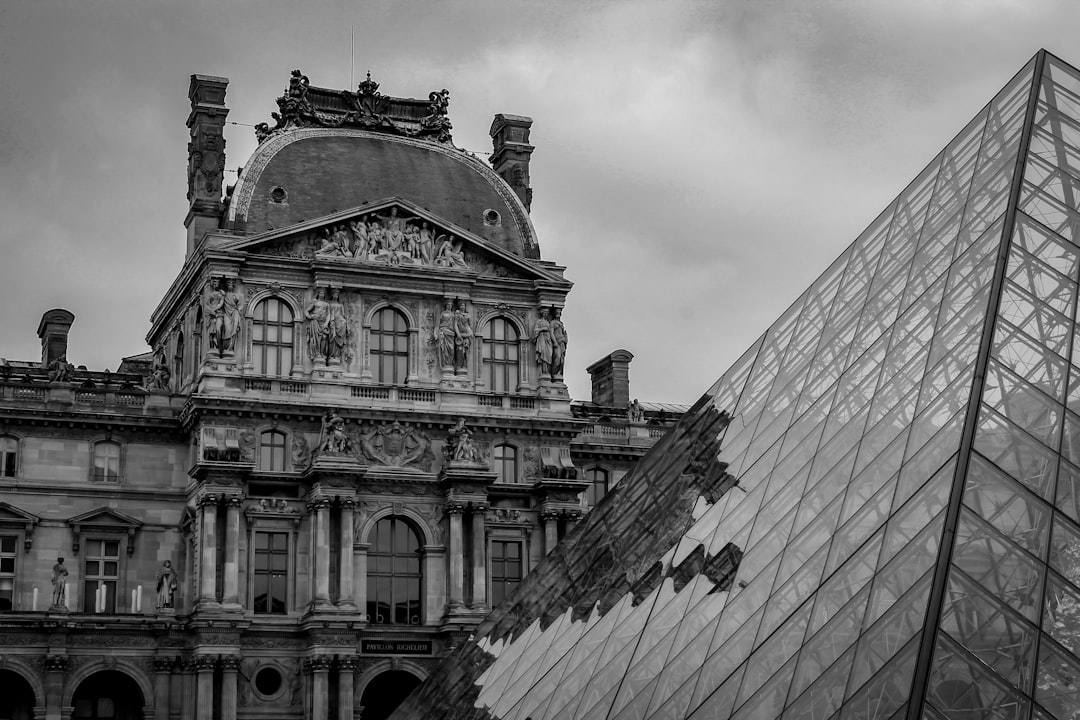
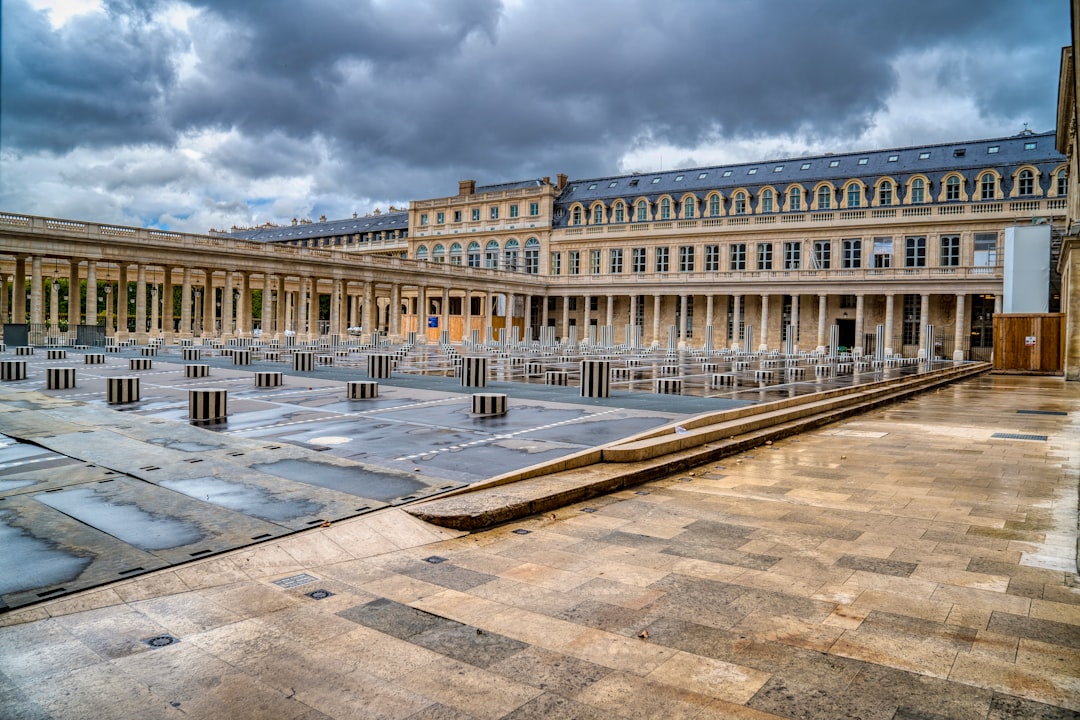
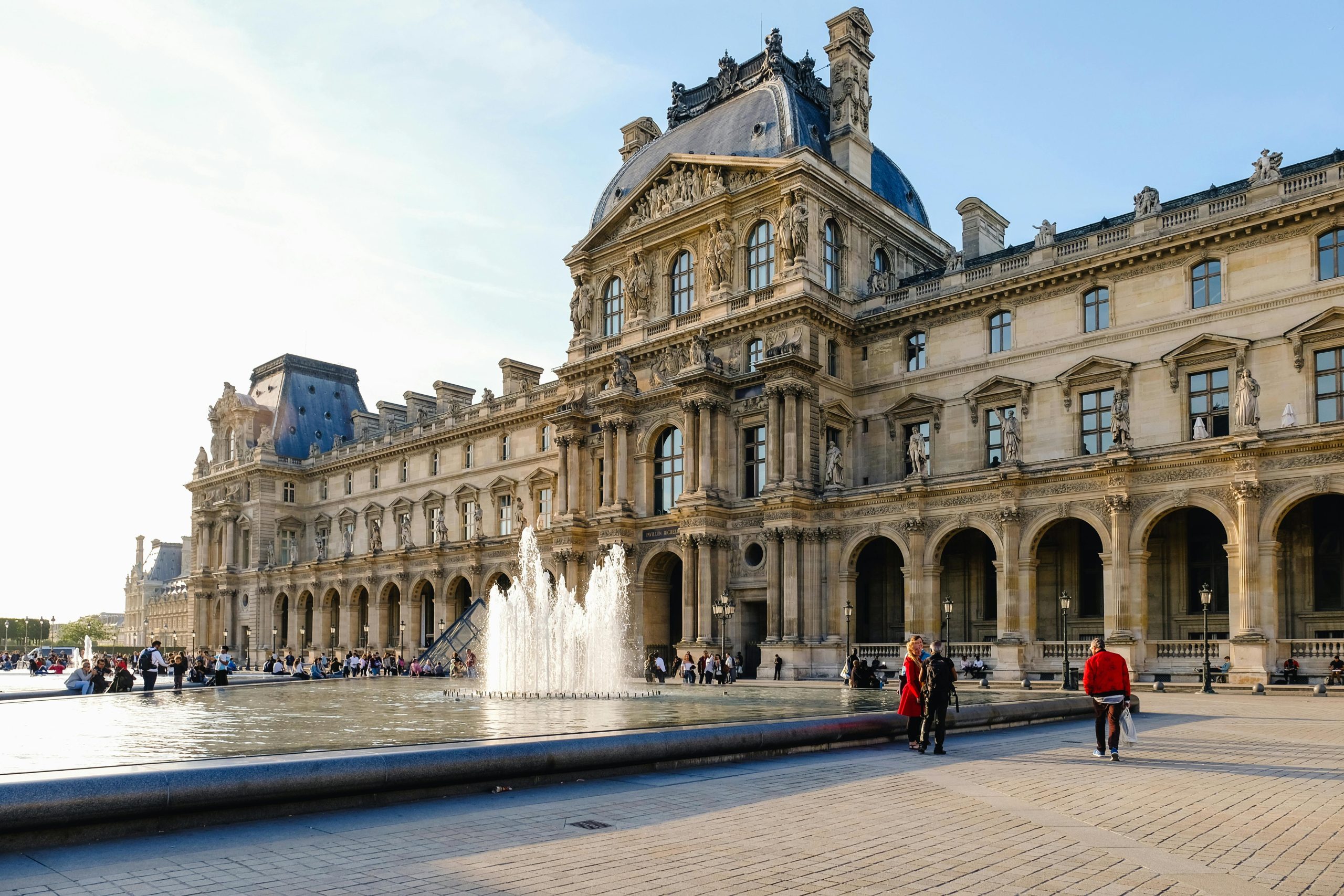
The most photogenic covered passages are strategically located near major Paris landmarks. Map a walking route that links Galerie Vivienne with Palais Royal and the Louvre, or explore Passage des Panoramas and Passage Jouffroy in the Grands Boulevards area, close to the Opéra Garnier and Place de la République. These clusters make it easy to combine classic and hidden gems photography in one outing, especially for those seeking Paris covered passages photos near the Louvre and other icons.
Cafés, Culture, and Street Life in the Passages’ Vicinity
Inside and around the passages, discover Parisian cafés that embody the city’s café culture. Relax at Le Valentin in Passage Jouffroy or sip a coffee at Bistrot Vivienne in Galerie Vivienne, ideal spots for post-photo breaks or capturing candid moments of local life. The surrounding 1st, 2nd, and 9th arrondissements offer vibrant street scenes, markets, and boutiques, perfect for expanding your Parisian photo portfolio and immersing yourself in local Paris culture.
How to Plan Your Covered Passages Photo Walk
Suggested Itinerary: Half-Day or Full Day Ways
Begin your photo walk at Palais Royal, then proceed to Galerie Vivienne, Galerie Véro-Dodat, and Passage du Grand Cerf. Continue toward Passage des Panoramas and Passage Jouffroy for a comprehensive arc across the best passages Paris offers. Walking between these locations typically takes 10–15 minutes each, making it possible to explore 4–6 passages in a half day at a relaxed pace.
Accessibility, Safety, and Local Etiquette
All featured passages are easily accessible by public transit. The nearest métro stations include Palais Royal–Musée du Louvre (Galerie Vivienne), Sentier (Passage du Grand Cerf), Grands Boulevards (Passage des Panoramas and Passage Jouffroy), and Bourse (Passage des Panoramas). Most passages are step-free, but some older arcades may have small steps or uneven floors. Weekdays and off-peak hours are generally quieter and safer for carrying camera equipment. Note that most passages close in the evenings and some on Sundays; always check open hours before planning your shoot.
Respect local etiquette, keep noise to a minimum, avoid blocking shop entrances, and always seek permission when photographing people or interior spaces. For further travel tips, consult guides on secret photography spots in Paris and public transport recommendations.
Frequently Asked Questions
What are the best covered passages in Paris for photography?
The most photogenic passages include Passage du Grand Cerf for its striking ironwork, Galerie Vivienne for neoclassical grandeur, and Passage des Panoramas for vintage ambiance. Each offers unique lighting and detail-rich settings for capturing memorable Paris covered passages photos.
Where can I find the Paris covered passages?
Most covered passages are located in central Paris, especially around the 1st, 2nd, and 9th arrondissements. Many are near landmarks such as Palais Royal, the Louvre, and Grands Boulevards; each passage is within an easy walk of the others.
Are Paris covered passages accessible to the public?
Yes, nearly all remaining covered passages are free to enter and open to visitors during business hours, though some have restricted access in the evenings or on Sundays.
What is the best time to take photos in the Paris covered passages?
Early mornings or late afternoons provide softer lighting and fewer crowds, making it easier to capture undisturbed shots and rich interplay of natural and artificial light.
What equipment should I bring for photographing Paris’s covered passages?
A wide-angle lens is ideal for capturing interiors and glass ceilings, while a tripod can help in lower-light conditions. Smartphones work well, especially for detail shots and dynamic angles.
Paris’s covered passages reveal a romantic, architectural side of the city that remains a paradise for photo enthusiasts. Blending historic charm with Parisian elegance and contemporary life, these secret arcades deliver endless inspiration for your lens. Start planning your Paris covered passages photo adventure, pack your camera, charge your phone, and immerse yourself in the hidden beauty between the city’s storied landmarks. Ready to turn your visit into a gallery-worthy photo series? Share your favorite shots and tips with fellow travelers or explore additional resources to deepen your discovery of Paris hidden gems.